
Call us: (267) 338 9798

Tile vs. Vinyl: Which Is More Durable for Philadelphia Homes?
You want a clear, friendly guide and Almeida Perfect Tile is here to help. This short piece walks you through durability, water resistance, scratch resistance, cost, installation, and maintenance so you can pick the best floor for your Philadelphia home or basement. Expect simple takeaways, real tips, and a peek at what our consultation to final reveal looks like.
Key Takeaway
- You get stronger, longer-lasting floors with Almeida Perfect Tile tile options.
- You avoid water damage better when Almeida installs high-quality tile.
- Vinyl is softer and easier on feet but may wear out sooner than tile.
- Sealed, professional tile installation keeps floors cleaner longer.
- Durable tile saves money over time because it needs fewer repairs.
Tile vs vinyl durability Philadelphia overview
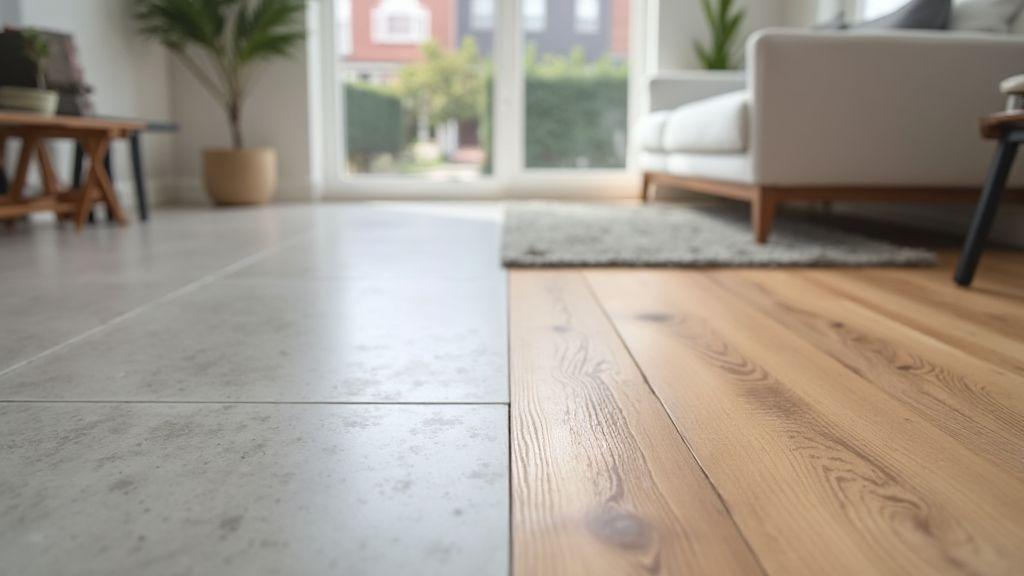
“Tile vs Vinyl: Which Is More Durable for Philadelphia Homes?” is the big question you hear in rowhouses, condos, and storefronts across Philly. Winters bring freeze-thaw cycles and summers bring humidity, so durability here means resisting moisture, heavy foot traffic, and the occasional delivery truck in a storefront. Tile—especially porcelain—stands up to temperature swings and scratches better than most vinyl, while vinyl wins on impact resistance and comfort underfoot.
When choosing flooring for a Philadelphia space, think about where it will live: kitchens, bathrooms, mudrooms, and commercial lobbies all demand different strengths. Tile is hard, low-porosity, and almost maintenance-free; vinyl bends a little and can hide subfloor quirks. A flawless tile job from a pro like Almeida Perfect Tile’s installation team keeps grout tight and water out, extending the life of your floor far beyond the product label.
If you plan to sell or lease, tile can be a long-term value play. If comfort, quick install, or a budget-friendly refresh matters, vinyl makes sense. Call Almeida Perfect Tile at (267) 338-9798 for a fast consult — they handle installation from demo to final reveal with a focus on quality.
“Almeida Perfect Tile installed porcelain in my kitchen and it still looks new after five busy years — no cracks, no grout issues.” — a local Philadelphia homeowner
Durable flooring options for Philadelphia homes
If you want the toughest option, porcelain tile is your go-to. It’s dense, resists stains, and takes heavy traffic without complaint. Natural stone like slate or granite brings real character and long life but needs sealing. For wet areas, look for low-porosity tiles and proper grout sealing so salt and freeze-thaw from sidewalks don’t sneak inside and cause damage.
Vinyl has caught up a lot. Luxury Vinyl Plank (LVP) mimics hardwood and resists water, while sheet vinyl gives a seamless surface that’s easy to clean. Read why so many local homeowners choose vinyl in our piece on why Philadelphia homeowners love luxury vinyl plank. The secret is the wear layer: thicker wear layers resist scratches and scuffs. Almeida Perfect Tile helps you match product to use, picking higher-wear vinyl for busy kitchens and waterproof planks for basements.
Flooring lifespan: tile vs vinyl comparison
Tiles and vinyl show their age differently. Porcelain tile can last 50 years if installed correctly and maintained, while ceramic often lasts 20–50 years depending on traffic and care. Natural stone also reaches decades with periodic sealing. Vinyl typically lasts 10–30 years depending on quality: high-end LVP sits at the top of that range, while basic sheet vinyl is toward the shorter end.
Maintenance changes the math. Tile repairs are spot repairs — replace a tile, and your floor can look new again. Vinyl repairs can be trickier; seams and edges are weak points. For local maintenance tips, see our guide on how to maintain tile floors in Philadelphia’s climate.
| Material | Typical Lifespan | Water Resistance | Scratch Resistance | Best Use |
|---|---|---|---|---|
| Porcelain Tile | 50 years | Excellent | High | Kitchens, entryways, commercial |
| Ceramic Tile | 20–50 years | Good | Medium | Bathrooms, kitchens, living areas |
| Natural Stone | 50 years | Good (needs sealing) | High | High-end kitchens, foyers |
| Luxury Vinyl Plank (LVP) | 15–30 years | Excellent | Medium-High (with thick wear layer) | Basements, rentals, modern kitchens |
| Sheet Vinyl | 10–20 years | Excellent | Low-Medium | Budget installs, utility rooms |
Quick durability takeaways
If you want maximum longevity, pick porcelain or natural stone and get a pro installation from Almeida Perfect Tile. If you want comfort, speed, and water resistance at a lower cost, go with high-quality LVP with a thick wear layer. For Philly climates and high-traffic spaces, prioritize proper installation, regular cleaning, and timely small repairs — those steps keep your floor looking sharp and save you money down the road.
Water-resistant flooring for Philadelphia basements
Basements in Philadelphia tend to be damp at times. You know the signs: a musty smell, dark spots on drywall, or puddles after heavy rain. For a basement floor, water resistance isn’t optional. Pick a material that stands up to moisture and your life down there — storage, workouts, playrooms, or rentals.
Seasonal shifts stress joints and grout. Proper subfloor prep and a waterproof material make the difference between a floor that lasts and one you’ll regret. Almeida Perfect Tile handles that prep; read more about the benefits of professional work in our article on installing tile in Philadelphia basements. Also consider our roundup of best flooring options for wet areas in Pennsylvania homes when choosing materials.
Vinyl plank vs ceramic tile longevity in wet areas
You’ve probably asked: Tile vs Vinyl: Which Is More Durable for Philadelphia Homes? Short answer: both can be durable, but durability depends on type and installation. Modern waterproof vinyl plank (SPC or WPC cores) resists standing water and warping. Porcelain or ceramic tile itself won’t rot, and a good install keeps moisture out of the subfloor.
Where they differ is in joints and repair. Vinyl planks often click together and are easier to replace if a board gets damaged. Tile needs grout and grout can stain or crack if not sealed and maintained. If you pick tile, go with porcelain and professional grout sealing. If you pick vinyl, choose a 100% waterproof product and have the subfloor leveled and sealed — our vinyl installation services cover those prep steps.
| Feature | Vinyl Plank (Waterproof SPC/WPC) | Ceramic/Porcelain Tile |
|---|---|---|
| Water resistance | High (boards waterproof) | High (tiles waterproof; grout is the weak point) |
| Durability | Good; resilient to drops | Very durable; scratch and chip resistant |
| Comfort | Warmer, softer underfoot | Cooler, harder surface |
| Repair | Easier to replace boards | Spot repairs harder; may need grout work |
| Installation | Faster, less invasive | Requires thinset, grout, sealing |
| Best use in Philly basements | Most casual finished basements | Finished spaces with heavy traffic or style focus |
Pro tip: If your basement had water issues before, fix them first. A dry, leveled subfloor and proper perimeter drainage make any floor last much longer.
Best flooring for Philadelphia basements
For most Philly homeowners, waterproof vinyl plank wins for value and practicality. It handles moisture, is warm underfoot, and you can install it in finished basements, home gyms, and rental units. It’s also quick to install.
If you want a premium, long-lasting look, go with porcelain tile installed by pros. It’s excellent in wet basements when the substrate is prepped properly and grout is sealed. For gritty, utility spaces consider sealed concrete or epoxy — low fuss and highly water resistant.
If you need one recommendation, choose a waterproof luxury vinyl plank (SPC/WPC) for most Philadelphia basements — it balances durability, comfort, and cost. For high-end, permanent spaces choose porcelain tile with sealed grout.
Scratch-resistant flooring: vinyl vs tile
When you weigh tile against vinyl, many homeowners in Philly ask: “Tile vs Vinyl: Which Is More Durable for Philadelphia Homes?” Tile, especially glazed porcelain, is very hard and holds up to heavy traffic and sharp items. Luxury vinyl has come a long way with thick wear layers and rigid cores, so it fights scratches better than older vinyl. You get different strengths: tile resists surface cuts and stains, while vinyl flexes and hides minor marks.
In kitchens and entryways, tile shines because it won’t dent from dropped pans or muddy shoes. In apartments, hallways, and cozy living rooms, luxury vinyl gives you warmth underfoot and fewer loud clanks when you drop something. Think of tile as a clay fortress and vinyl as a tough, flexible shield — both protect, but in different ways.
If you want help picking the right product, Almeida Perfect Tile’s team can guide you from sample to install. We work with top porcelain and premium luxury vinyl lines and fit choices to your budget and lifestyle.
| Feature | Tile (Porcelain/Ceramic) | Luxury Vinyl (LVT/WPC/SPC) |
|---|---|---|
| Scratch resistance | High (glazed porcelain resists scratches well) | Moderate to High (depends on wear layer thickness) |
| Stain resistance | Very High (glazed surface is non-porous) | High (wear layer and finish block stains) |
| Impact / dent resistance | Moderate (can crack under heavy impact) | High (flexible cores resist dents) |
| Maintenance | Low (sweep mop, grout care) | Very Low (sweep damp mop) |
| Best for | Kitchens, mudrooms, high traffic | Living areas, rentals, basements |
How tile resists scratches and stains
Tile resists scratches because of its hard surface. Glazed porcelain has a glass-like top coat fused at high heat. Tile also rates by PEI levels; higher PEI means stronger surface for heavy traffic. Stains don’t soak into glazed tile the way they can into stone or wood. The weak spot is grout: untreated grout can trap dirt and discolor. Use dense grout or a good sealer to keep grout lines looking new.
“Porcelain laughs at scratches and shrugs off spills — it’s the kind of floor that ages like a good story.”
Scratch-resistant features in luxury vinyl
Luxury vinyl protects itself with a wear layer — a clear coating that takes the hits. Thicker wear layers (measured in mils) mean more scratch resistance. Commercial vinyl often uses 20 mil or more for heavy use. The wear layer contains urethane and ceramic bead bits that resist abrasion and scuffs. Embossed surfaces and matte finishes hide tiny marks. Installation matters — a flat, well-prepared subfloor stops boards from bending and rubbing at joints.
Daily scratch prevention tips
- Place felt pads under chair legs.
- Use runners at entries.
- Trim pet nails and avoid dragging heavy furniture.
- Sweep daily to remove grit and use nonabrasive cleaners.
- Add transition strips at uneven thresholds.
Cost comparison: tile vs vinyl in Philadelphia
Tile and vinyl sit on opposite sides of the price fence. Vinyl materials often start lower — think $1.50–$5 per sq ft for common planks — while tile materials usually run $2–$15 per sq ft depending on ceramic vs porcelain and style. Installation swings the total: vinyl installers charge less on average, while tile labor is more intensive and can push the installed price well higher. For your Philadelphia home, expect vinyl to be the cheaper upfront option and tile to cost more at the start.
Long-term costs change the equation. Tile lasts longer and resists scratches and water better, so you may avoid replacement for decades. Vinyl can save you money now, but mid-range vinyl may need replacing sooner in high-traffic areas. Think lifecycle, not just sticker price — a tile floor can pay for itself over time if you plan to stay or want higher resale pull in neighborhoods like Fishtown or Chestnut Hill.
If you want accurate local quotes, Almeida Perfect Tile makes pricing simple. Their team walks you through material choices, installation steps, and realistic timelines so you can compare final numbers without surprises — or read our breakdown on bathroom tile installation costs in Philadelphia for a sample cost guide.
Call Almeida Perfect Tile at (267) 338-9798 for a free consult and a clear price breakdown — they specialize in Philadelphia installs and stand behind quality work.
Upfront installation and material costs
Upfront, vinyl wins for affordability. You’ll often find luxury vinyl plank (LVP) and sheet options priced low and installed quickly. Installation for vinyl in Philadelphia tends to be faster and cheaper, so your labor bill is smaller.
Tile’s upfront bills are larger. Materials like porcelain and specialty tiles cost more. Tile installation is labor-heavy: prep, underlayment, grout, sealing, and precise layout all add time and cost. For a solid tile job in Philly rowhouses, plan on a higher initial spend but a surface that stands up to wet winters and heavy foot traffic. If budget is the primary concern, consider our guide on affordable flooring installation near Philadelphia.
Resale value: tile vs vinyl in Philadelphia
When buyers walk through your home, they notice floors. Tile—especially in kitchens and bathrooms—often reads as premium to Philadelphia buyers. Good tile work by a reputable install team can boost curb appeal and help your listing stand out.
That said, high-end LVP has closed the gap. Well-chosen vinyl that looks like real wood can make a great first impression and costs less to install. Still, when you ask Tile vs Vinyl: Which Is More Durable for Philadelphia Homes? tile usually wins on durability and long-term buyer perception, but vinyl can be a smart choice if you want value now and a modern look. For rental-specific recommendations, see what’s best for rental properties in Philadelphia.
Budget and ROI checklist
Decide on budget first, then compare material cost, installation cost, expected lifespan, maintenance needs, and impact on resale; add a contingency for subfloor work, factor in room use (bathroom vs living room), and get written quotes to compare side-by-side before you commit.
Installation process with Almeida Perfect Tile
You’ll start with a clear plan. Almeida Perfect Tile begins by listening to what you want — style, function, and budget. During that first visit, you’ll see samples, get an accurate measure, and receive a written estimate. That step cuts surprises and sets a realistic schedule so your project fits your life in Philadelphia.
Prep is where projects live or die. The crew will protect your home, remove old flooring if needed, and check the subfloor. If repairs or leveling are required, you’ll be told what’s needed and why. Quality materials and proper prep keep tiles flat, grout tight, and floors that last through Philly winters and summer humidity.
Installation moves fast but carefully. Tiles are laid, grout applied, and seams cleaned. The team leaves your place tidy each day and does a final clean before the reveal. You’ll get a walkthrough, care tips, and a contact for follow-up so things stay right long after they’re done.
From consultation to final reveal
Your consultation will feel like a conversation, not a sales pitch. You’ll show photos or walk the space, and the consultant will recommend tile types, patterns, and installation methods that match your routines — busy kitchen, pet traffic, or a quiet powder room. Expect clear choices and a straightforward estimate so you can decide with confidence.
Once work starts, communication stays open. Near the end, Almeida Perfect Tile will do a final inspection with you, fix any small touch-ups, and demonstrate cleaning and maintenance. That final reveal should feel like the conclusion of a good story — you walk in and smile.
If you’re ready to book a consultation or have questions about design or budget, contact Almeida Perfect Tile or call (267) 338-9798. Almeida Perfect Tile works in Philadelphia, PA, and will set a time that fits your schedule.
Typical project timeline for Philadelphia homes
Smaller jobs—like a bathroom or entryway—often take just a few days. Demo and prep can be one day, tile layout and set another, and grout plus clean-up on the final day. Medium projects, like a kitchen, usually run one week from start to finish. Larger jobs, such as whole floors or tricky layouts, can take two weeks or a little more. Read more about timelines at how long tile installation projects take in Philadelphia.
| Project Size | Demo & Prep | Tile Installation | Grout & Cure | Typical Total |
|---|---|---|---|---|
| Small (bath/entry) | 1 day | 1 day | 1 day | 2–3 days |
| Medium (kitchen) | 1–2 days | 2–3 days | 1–2 days | 5–7 days |
| Large (whole floor) | 2–3 days | 4–7 days | 2–3 days | 8–14 days |
What to expect: some noise and dust at first, then steady progress. The crew will protect furniture and hallways, keep tools organized, and leave the site clean each evening. You’ll have a point of contact for questions, and the team will walk you through care tips at the end.
We thought the remodel would turn our week upside down, but Almeida Perfect Tile kept us calm and on schedule. They explained each step and the result was better than we imagined. — a happy Philadelphia homeowner
Low-maintenance flooring for Philadelphia homes
You want flooring that works hard and asks for little in return. In Philadelphia, that means picking surfaces that stand up to humidity, salt-melt in winter, and busy households. Almeida Perfect Tile helps you choose low-maintenance options that handle city life — less scrubbing, more living.
Think about traffic: kids running in from the park, pets tracking mud, or a rush-hour spill. Ceramic and porcelain tile resist stains and scratches, while modern vinyl plank gives waterproof performance with a softer underfoot feel. Both cut cleaning time, but they behave differently over years. Almeida Perfect Tile can show samples in your space so you can see how each option looks with your light and decor.
Cleaning and care for ceramic and porcelain tile
Ceramic and porcelain are forgiving. Sweep or vacuum weekly to remove grit. For routine cleaning, use a pH-neutral cleaner and a damp mop — harsh acids or bleach can dull some glazed finishes and damage grout over time. Seal grout after install and every couple of years in high-traffic areas. If grout darkens or gets mildew from Philly’s humid months, a gentle grout cleaner and a soft brush usually restores it. For ongoing care, see our tile maintenance guide. For tough jobs, professional grout refresh services save time and hassle.
Low-maintenance benefits of vinyl plank
Vinyl plank gives you wood-look style with much less fuss. It’s typically waterproof, so puddles, pet accidents, and rainy shoes won’t send you into panic mode. Sweep or dry mop daily and do a damp mop with a mild cleaner when needed. No sanding, no refinishing — just simple upkeep.
Scratch and wear resistance on higher-grade vinyl is strong, and many options come with commercial warranties. That means practical durability and a soft feel underfoot, which is great for kitchens and basements. Proper installation keeps seams tight and transitions safe, keeping your floors low-maintenance for years.
Long-term maintenance and lifespan
Expect porcelain/ceramic to last 25 years with proper care; tiles rarely need replacement unless cracked. Vinyl plank often lasts 10–20 years depending on wear and quality. Grout, seams, and underlayment are the usual maintenance points. With professional installation, you cut down on future repairs and get better lifespan from either choice.
“Almeida replaced our kitchen floor and it still looks new after three kids and two dogs. Their team made the whole job painless.” — Local homeowner
See samples in your home: text or call Almeida Perfect Tile at (267) 338-9798 for a free consult and sample delivery in Philadelphia. Seeing the material in your light makes decisions simple.
| Feature | Ceramic/Porcelain Tile | Vinyl Plank |
|---|---|---|
| Typical Lifespan | 25 years | 10–20 years |
| Water Resistance | Excellent (tile), grout needs sealing | Usually waterproof |
| Daily Care | Sweep, pH-neutral mop, grout care | Sweep, damp mop, rarely deep clean |
| Scratch Resistance | Very good | Good (higher grade = better) |
| Comfort underfoot | Hard, cool | Softer, warmer |
| Best for | Entryways, kitchens, bathrooms | Basements, kitchens, family rooms |
Conclusion
You want a floor that lasts, looks good, and fits your life in Philadelphia. In plain terms: porcelain tile wins for long-term durability, scratch resistance, and resale value. It’s the slow-burning investment that pays dividends down the road.
If you value comfort, a quicker install, and a lower upfront cost, waterproof LVP (luxury vinyl plank) is a smart pick. It’s warm underfoot, forgiving, and water-resistant — especially for basements and busy family rooms. But remember: installation and maintenance matter. A pro install keeps seams tight and grout sealed, and that’s what actually makes any floor live longer.
Pick by room and use. Kitchens and entryways? Lean tile. Basements and rentals? Vinyl often fits like a glove. Prep the subfloor, seal grout where needed, and follow simple care tips. Do that and your floor will age like a fine story — not a cautionary tale.
Want more clear advice and local stories? Read more articles on our blog.
Almeida Perfect Tile — Philadelphia, PA
Call or text: (267) 338-9798
Tile vs Vinyl: Which Is More Durable for Philadelphia Homes? Keep this question in mind when you book a consult — the right answer depends on your room, lifestyle, and how long you plan to keep the home.