
Call us: (267) 338 9798

Tile Installation for Small Bathrooms – Ideas for Philly Apartments is your quick guide to picking tiles, planning installs, and keeping a tiny rental bathroom looking fresh. Learn which materials work best for durability, low maintenance, and waterproofing—porcelain, ceramic, and smart natural stone choices. Get easy tips on tile size, finish, slip rating, and space-saving patterns like vertical subway, stacked, and herringbone to make your room feel bigger. Learn simple checks for backer boards, membranes, and grout so you avoid leaks. When you want the job done right, Almeida Perfect Tile in Philadelphia makes the process smooth and stress free from the first consult to the final reveal.
Key Takeaway
- Use large light tiles to make a small bathroom feel bigger
- Almeida Perfect Tile helps you pick space-saving layouts for Philly apartments
- Vertical tile patterns make the ceiling look taller
- Choose durable, easy-to-clean tiles that suit city life
- Almeida Perfect Tile offers fast, neat installs so you don’t stress
How to pick the best tiles for your small rental bathroom in Philly
Picking tiles for a small rental bathroom is about smarter choices, not splurging. Start with durability, maintenance, and how the tile will make the room feel. In Philly, choose materials that stand up to humidity, spills, and tenant turnover. If you need local experience, Almeida Perfect Tile’s project portfolio shows examples from Philly rentals and can help with Tile Installation for Small Bathrooms – Ideas for Philly Apartments that save time and money.
Focus on visual tricks that make a tiny bathroom feel bigger: lighter colors, tight grout lines, and pattern direction. Pick tiles that reflect light but won’t show water spots—porcelain or glazed ceramic in a soft neutral will open the space. Avoid busy patterns that make a room feel cramped. Almeida Perfect Tile offers samples so you can see tiles in your actual light.
Factor in cost and installation time. Rentals need materials that are affordable to replace and quick to install between tenants. Choose tiles that don’t require special sealing or extra labor.
Porcelain, ceramic, and natural stone: which fits your needs
Porcelain is dense, low-absorption, and often more durable than ceramic—ideal for floors and high-traffic rentals. Ceramic is lighter and usually less expensive; great for walls and backsplashes and acceptable on floors if you pick the right wear rating. Natural stone looks upscale but needs sealing and more care—limit it to accents rather than whole floors in rentals.
| Tile Type | Durability | Maintenance | Best Use in Rentals |
|---|---|---|---|
| Porcelain | High | Low | Floors and walls; high-traffic rentals |
| Ceramic | Medium | Low–Medium | Walls, budget floors |
| Natural Stone | Medium–High | High (sealing) | Accent walls, luxury upgrades |
Best tiles for small rental bathrooms that are durable and low maintenance
For floors, pick matte porcelain tiles with a good slip rating—matte hides water marks better. Consider 12×24 or 24×24 formats for fewer grout lines; fewer lines mean easier cleaning and a room that reads bigger. For shower floors, use small mosaics or textured tile for grip while keeping large-format tiles on walls. For walls and backsplashes, glazed ceramic is budget-friendly and quick to install—subway tiles are a classic renter-friendly choice.
Tip: choose a neutral palette, tighter grout color, and rectified tiles for fewer visible grout lines—you’ll thank yourself during turnovers.
Quick checklist to choose tile size, finish, and slip rating
- Tile size: large formats reduce grout lines (good for walls and main floors); smaller tiles for shower floors
- Finish: matte for floors, glossy or satin for walls
- Slip rating: aim for DCOF 0.42 in wet areas
- Use floor-rated tiles where people will step; match grout and caulk to hide dirt for easier turnover
If you want help matching these specs to your budget and timeline, Almeida Perfect Tile in Philadelphia can walk you through choices and install with minimal downtime.
Space-saving tile patterns and layouts to make your tiny bathroom look bigger
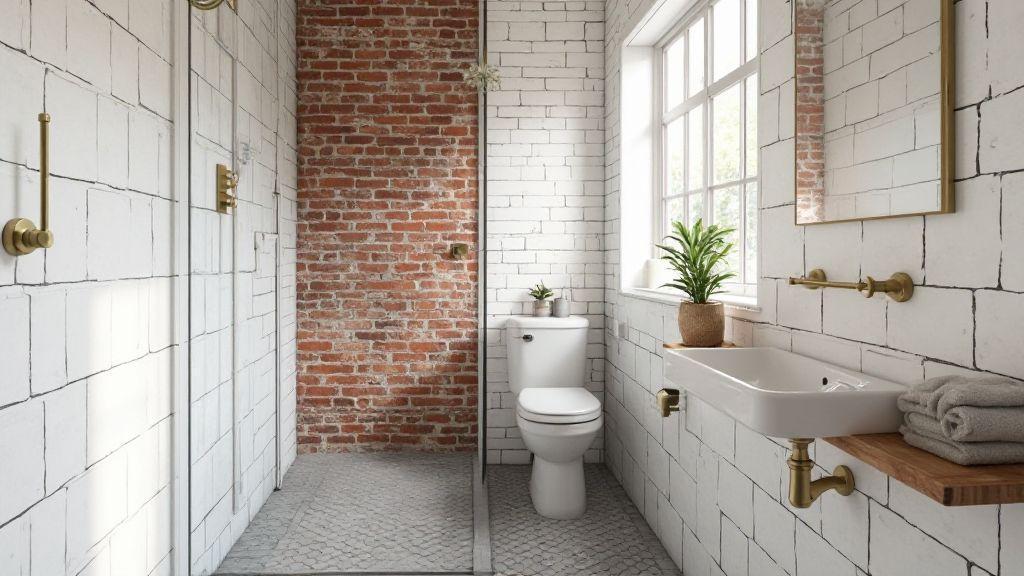
To keep a small Philly bathroom feeling open, start with light, reflective tiles and simple grout lines. Big tiles, pale tones, and a consistent floor-to-wall look help the eye travel farther. Tile Installation for Small Bathrooms – Ideas for Philly Apartments frames the job perfectly for city spaces and pairs well with local design trends such as those highlighted in current Philly tile trends.
Pick patterns that stretch the room. Vertical subway or long rectangular tiles laid lengthwise make ceilings feel taller. Running tiles from floor to ceiling on one wall becomes a visual elevator. A continuous grout color keeps the pattern soft so the room reads larger, not busier.
Installation matters as much as design—matching grout to tile or using a single tile size adds perceived space.
Subway tile layout small bathroom Philly: vertical, stacked, and offset options
If you love subway tile, three strong moves:
- Vertical subway makes the room feel taller—great for low ceilings.
- Stacked subway gives a clean, modern look that amplifies light.
- Offset (running bond) has classic rhythm and hides slight lippage in older walls.
Smaller tiles with thick grout can shrink a space; instead choose longer bricks (3×8, 4×12) and thin grout joints in a matching color for continuity.
| Layout | Visual Effect | Best Tile Size | Grout Tip | Best For |
|---|---|---|---|---|
| Vertical | Taller ceilings | 3×8 to 3×12 | Thin, matching | Low ceilings |
| Stacked | Clean, modern | 4×12 to 6×12 | Same color | Minimalist style |
| Offset | Classic depth | 3×6 to 4×12 | Slight contrast | Hiding imperfections |
Herringbone tile ideas small bathroom Philly that add depth without crowding
Herringbone feels luxe but can be subtle—use narrow rectangular tiles (2×8 or 3×10) on a single accent wall or shower floor. Keep the palette tight (one neutral base, one accent, thin grout) so the pattern adds depth without overwhelming. Tight joints are key in older Philly apartments where walls aren’t always straight.
Pattern guide to mix scale and color for more visual space
Mix a large-format neutral (floor or main wall) with a small-scale accent (border or niche). Stick to two main tones and one accent color. Match grout to the dominant tile and avoid tiny mosaic fields everywhere—reserve glossy tiles to catch light and matte where you want a steady backdrop.
Waterproof tile options and moisture control for apartment bathrooms
Philadelphia apartments can be damp. Choosing waterproof tile and controlling moisture keeps your bathroom smelling fresh and prevents costly repairs. Surface protection means porcelain or glazed tiles with low water absorption; subsurface protection means the right underlayment and membranes.
Maintenance matters: grout lines, sealants, and caulk must be kept tight. A quick yearly check prevents long repairs.
Waterproof tile options apartment bathrooms: porcelain, glazed, and large-format choices
Porcelain soaks up almost no water, resists stains, and holds up to heavy foot traffic—fewer surprises when things get wet. Glazed ceramic can work if you pick a high-quality glaze and keep grout sealed. Large-format tiles cut down grout lines so there is less place for mold to grow—but require a flat substrate and careful installation. Tile Installation for Small Bathrooms – Ideas for Philly Apartments pairs well with these picks since you want durable tiles that make small spaces feel larger.
Backer boards, waterproof membranes, and correct grout to prevent leaks
Hidden layers do the heavy lifting. Use cement backer board or foam board designed for wet areas. Add a waterproof membrane (sheet or liquid-applied) on top of the backer board. Finish with epoxy grout or a high-quality silicone caulk at corners and joints. That trio—backer board, membrane, and proper grout—stops leaks for good. For shower specifics, consider professional shower wall installation services like shower wall tile installation.
Simple steps to test and protect wet areas before installation
- Do a moisture check with a meter or a taped plastic sheet for 24 hours
- Fix soft spots and level the floor
- Install backer board, then membrane
- Dry-fit tiles, set with the right thinset, grout with epoxy, and seal transitions with silicone
- Let everything cure fully before use
“Our commitment to quality and customer satisfaction is at the heart of everything we do.”
Quick tip: Almeida Perfect Tile will assess your space, show sample tiles, and map out a waterproof plan that fits your budget and Philly lifestyle.
| Tile Type | Water Absorption | Best Use | Maintenance |
|---|---|---|---|
| Porcelain | Very low | Floors & wet showers | Low — grout care |
| Glazed Ceramic | Low to medium | Walls, light-use floors | Medium — seal grout |
| Large-format | Varies (often porcelain) | Open areas, reduce grout | Low if installed on flat substrate |
Tile installation cost and budgeting tips for Philadelphia apartments
Budget depends on floor size, tile type, and prep work. Small rooms can cost less total, but detailed layouts and waterproofing raise price per square foot. Use resources like bathroom tile installation cost guides to set expectations for patterns and tile sizes.
Expect a common range near $8–$20 per sq ft for basic ceramic including labor; high-end materials and complex patterns push that to $25–$40. Costs shift based on tile quality, adhesive type, and whether you need subfloor repair or old tile removal. Hidden drivers: awkward layouts, heated floors, custom cuts, and building rules for noise or work hours. Ask for an itemized estimate to compare materials, labor, and extras like disposal or waterproofing.
Pro tip: A clear, itemized quote is worth its weight in gold—it keeps contractors honest and helps you compare bids easily.
How to compare estimates and save without cutting quality
Compare estimates line-by-line. Don’t pick the cheapest blindly—look for surface prep, grout type, cleanup, and warranty. You can save by choosing mid-range tile and investing in proper installation—bad installation costs more later. Consider buying tiles on sale and letting your installer handle cutting and setting.
Check building rules (permits, work hours, elevator use) early—these can add time and cost. For guidance on vetting contractors and paperwork, see how to choose the best flooring contractor in Philadelphia.
Budget worksheet to plan materials, labor, and contingency costs
(Example: 50 sq ft)
| Item | Typical range (50 sq ft example) | Notes |
|---|---|---|
| Tile material | $150–$600 | Ceramic low, stone high |
| Thinset & grout | $40–$150 | Better grout costs more but lasts longer |
| Labor | $400–$1,000 | Varies by complexity and installer rates |
| Removal / prep | $50–$400 | Old tile removal or subfloor repair raises cost |
| Waterproofing / membrane | $75–$300 | Important in bathrooms |
| Contingency (10–15%) | $72–$243 | Buffer for surprises |
| Estimated total | $787–$2,693 | Use this as a starting point |
DIY tile installation tips for small bathrooms vs hiring pros in Philly
You can save money and feel proud by tiling a small bathroom yourself, but know your limits. Small spaces hide big challenges: tight cuts, plumbing oddities, and grout that shows every slip. If you have time and steady hands, DIY is doable for straight walls and simple floors. If you want speed, a guaranteed finish, or someone to handle tricky waterproofing and building rules, hiring pros is wiser.
If you want inspiration, search “Tile Installation for Small Bathrooms – Ideas for Philly Apartments” and bring your favorite photo to the consult; a pro can match the look without wasting material. For timeline expectations, review how long a tile installation project takes in Philadelphia.
DIY tile installation tips small bathroom: tools, prep, and common rookie mistakes
- Tools: tile cutter or wet saw (rent if needed), notched trowel, spacers, level, grout float, soft brush
- Buy 10–15% extra tile for cuts and breakage; dry-lay tiles first
- Prep: remove old flooring, fix soft spots, ensure subfloor is flat, and use proper waterproofing in shower areas
- Rookie mistakes: skipping level checks, wrong thinset, not letting adhesive cure before grouting—these cause lippage and loose tiles
When to call professional tile installers for a lasting job
Call pros when the job affects building systems or common areas (shower base, steam, radiant floor) or when you need code-compliant waterproofing. Pros handle permits, condo rules, complex patterns, and warranty-backed finishes—saving money over time by avoiding early repairs. For hiring and warranty details, explore contractor selection tips and the company’s service offerings.
“A good tile job makes the room sing; a bad one whispers ‘fix me’ every time you walk in.” — Local installer tip
Time and skill checklist to decide DIY or hire Almeida Perfect Tile
| Decision Factor | DIY | Hire Almeida Perfect Tile |
|---|---|---|
| Time available | Weeks | Days to a week |
| Skill level | Basic to intermediate | Professional |
| Complex layout | Risky | Handled smoothly |
| Waterproofing needs | Challenging | Standard practice |
| Warranty & finish | No guarantee | Guaranteed finish |
Grout, cleaning, and long-term care to keep your tiles looking new
Grout holds tiles in place, blocks moisture, and shapes how clean the floor looks. If grout cracks or crumbles, water gets behind tiles and that leads to bigger problems. A simple routine keeps grout healthy: wipe tiles after use, ventilate the room, use a soft brush on grout weekly, and reseal as recommended. In Philly, humidity and older buildings mean grout can take a beating—timely seal and repair are smart.
“A quick weekly scrub and a yearly seal will keep your tiles looking new.” — Almeida Perfect Tile, Philadelphia, PA
When deeper work is needed, call a pro before a small spot becomes a repair job. Regrouting and resealing are affordable when done early.
Grout color choices for small bathrooms and how they change the room feel
Color changes how a small bathroom reads:
- White grout: bright and clean but shows dirt
- Light gray: open and low-maintenance (recommended for rentals)
- Dark grout: bold and modern but can tighten the room feel
Tile Installation for Small Bathrooms – Ideas for Philly Apartments favors neutral mid-gray grout for many rental situations; see portfolio examples at completed projects to visualize choices.
| Grout Color | Room Feel | Best With Tiles | Notes |
|---|---|---|---|
| White | Bright, clean | Subway, small white tiles | Shows stains; frequent cleaning |
| Light gray | Open, low-maintenance | Neutral ceramic, patterned tiles | Good renter choice |
| Medium gray | Balanced, forgiving | Matte porcelain, larger tiles | Hides grime; keeps space airy |
| Dark charcoal | Bold, modern | Large format, dark tiles | High contrast; can shrink the feel |
| Colored | Playful or coastal | Accent tiles, mosaics | Needs color-matched cleaning plan |
Almeida Perfect Tile can show swatches on-site so you know how grout color shifts under Philly light. Renters should check with landlords before making changes.
Easy cleaning routines and products safe for rental bathrooms
- Daily: squeegee or towel-dry wet tile after showers and run a fan
- Weekly: mild dish soap and warm water with a soft brush on grout
- Spot stains: baking soda paste or oxygen-based cleaner; avoid acids and vinegar on natural stone
Use microfiber cloths and gentle cleaners for renter-friendly routines. For mold or deep stains, test a small area and inform your landlord. If you can’t fix it, call a pro.
Maintenance schedule to protect grout, sealants, and finishes
- Daily: wipe or squeegee wet tile and run a fan
- Weekly: clean grout with mild soap and soft brush
- Monthly: inspect grout lines for cracks or stains and touch up spots
- Every 6–12 months: deep clean grout and check sealant performance
- Every 1–3 years: reseal grout and natural stone (depends on traffic and product)
If you spot loose grout or tiles, call a pro before water causes more damage.
Start here: Quick plan for Tile Installation for Small Bathrooms – Ideas for Philly Apartments
- Measure and photograph your bathroom (include ceiling height and plumbing locations).
- Pick tile family (porcelain recommended), grout color, and layout (vertical subway, stacked, or herringbone).
- Do a moisture check and plan waterproofing (backer board membrane).
- Get 2–3 detailed quotes with itemized costs and timelines — use the contractor selection checklist at how to choose the best flooring contractor in Philadelphia.
- Schedule install, keeping building rules and permits in mind; see typical timelines at how long tile projects take.
This quick plan keeps the job organized and prevents common surprises.
Contact & hire (one clear place for details)
Almeida Perfect Tile handles consults, on-site estimates, permits, and cleanups in Philadelphia. They know what works in city apartments and offer guaranteed finishes and maintenance advice.
Phone: (267) 338‑9798
Website: https://almeidaperfecttile.com/contact/
Conclusion
Pick porcelain or glazed ceramic for durability and low maintenance, use large-format light tiles and tight grout to make the room breathe, and lean on vertical subway, stacked, or herringbone layouts to stretch your space visually. Don’t forget the hidden layers—backer board, waterproof membrane, and epoxy grout—these are the bodyguards that keep leaks and headaches at bay.
DIY can save money if you have time and skill; hire pros for speed, warranty, and trouble-free waterproofing. Measure twice, plan once—small choices add up to big impact. Ready to make your Philly apartment bathroom punch above its weight? Use Tile Installation for Small Bathrooms – Ideas for Philly Apartments as your planning phrase and call Almeida Perfect Tile for a consult.