
Call us: (267) 338 9798

Signs Your Hardwood Floor Needs Refinishing in Philadelphia
You want to know what to watch for. Look for visible wear, deep scratches and dents, a faded or dull finish, or water damage like stains and cupping. This article shows simple tests for hidden moisture, when to refinish, cost factors, and how to pick the right pro. Almeida Perfect Tile helps you spot problems and guides you to a smooth, local refinishing plan.
Key Takeaway
- Your hardwood looks dull or faded even after cleaning.
- You see scratches, dents, or worn finish spots on your floor.
- Water stains, dark patches, or color changes won’t come out.
- Boards creak, move, or gaps have formed between planks.
- You want a like-new floor — Almeida Perfect Tile can restore it. Call (267) 338 9798.
Signs Your Hardwood Floor Needs Refinishing in Philadelphia
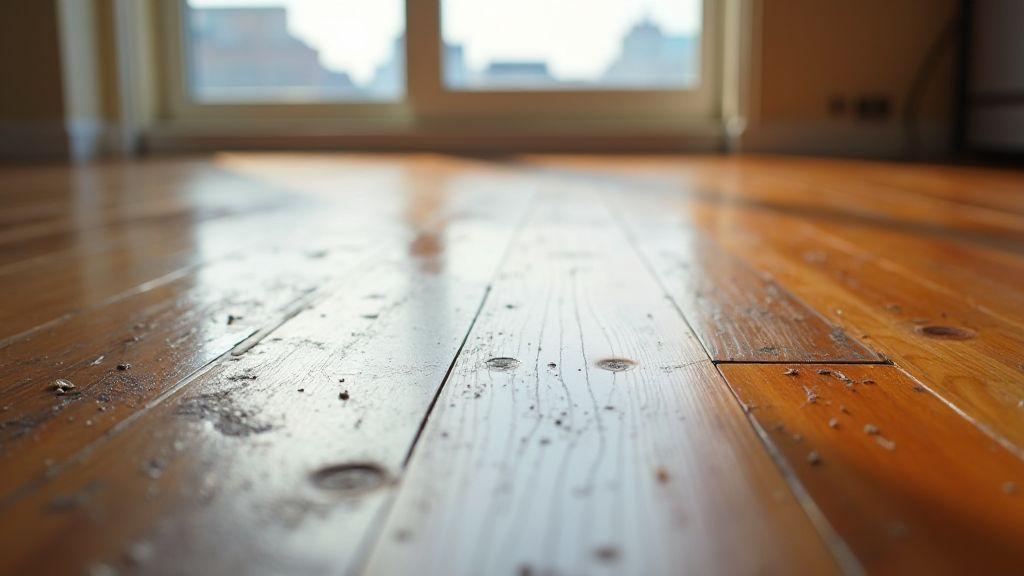
Your hardwood is telling you a story. Over time the finish thins, traffic lanes form, and stains set in — especially in Philly homes with heavy foot traffic or damp basements. If you see uneven sheen, water rings, or patches where the wood looks raw, those are clear clues that the protective coat is gone and the wood beneath is exposed. Almeida Perfect Tile helps you read those signs fast and gives honest advice about whether to recoat or fully refinish.
City life adds wear. Salt in winter, pet paws, and moving furniture in narrow rowhouses speed damage. When wear is more than cosmetic — like boards showing moisture damage, cupping, or persistent stains — you’re past the bandaid stage. A full sanding and new finish will bring the floor back to life and protect it for years. See project examples of restored floors and learn what results to expect. Almeida Perfect Tile offers on-site assessments across Philadelphia so you don’t guess — you know.
Timing matters. Small scuffs you can buff away today can grow into deep damage if ignored. Refinishing at the right moment saves money compared with replacing boards later. Call Almeida Perfect Tile at (267) 338 9798 to schedule a quick check. We’ll tell you plainly what needs doing and why.
Need a quick, no-pressure check? Almeida Perfect Tile in Philadelphia will inspect your floors and explain options on the spot. Call (267) 338 9798 — fast answers, honest pricing.
How to tell if hardwood floors need refinishing Philadelphia: visible wear you can spot
Look for traffic lanes where the finish is gone and the wood looks dull — these lanes form where people walk most. Run your hand across a few spots; if the texture changes, the surface finish is likely compromised.
Also check for stains, dark spots, and water rings. Stains that don’t lighten with cleaning mean the finish is scratched or worn and moisture has reached the wood. In Philadelphia rowhomes, spills near entryways and kitchens are common. When stains sit, refinishing will remove them and restore uniform color and protection.
Hardwood floor scratches and dents Philadelphia: when scratches mean action
Not all scratches need full sanding. Light surface scratches can often be buffed and recoated. If fine scratches are the main issue, a recoat may be enough.
But when scratches catch your fingernail, or you see dents and gouges, the wood itself is damaged. A full sand and refinish will level the surface and hide the damage. Almeida Perfect Tile can show you the difference in a quick demo so you can pick the right fix.
Hardwood floors faded or dull Philadelphia: color loss and dull finish to watch for
Sunlight, cleaning products, and worn finish make floors lose color. If large areas look lighter or chalky, the finish has broken down and the wood is exposed. A new finish will restore color and bring back depth and shine without replacing boards. Ask about UV-resistant finishes to slow future fading.
| Sign | What you see | What to do |
|---|---|---|
| Worn traffic lanes | Dull strips along walk paths | Recoat if finish thin; refinish if wood looks raw |
| Deep scratches / dents | Cuts that catch your nail | Sand and refinish to level surface |
| Stains / water rings | Dark spots that don’t lift with cleaning | Refinish to remove stains; repair if rot present |
| Fading / chalky finish | Uneven color from sun or wear | Refinish with UV-resistant finish |
Water and moisture warning signs in Philadelphia homes
Philadelphia weather swings from humid summers to heavy rain and late-winter melt, increasing the chance of water issues. Watch for musty smells, visible water stains on ceilings or baseboards, and paint that bubbles or flakes. In older rowhouses with basements, check low spots and corners — water likes to hide there.
Floor-specific signs include warping, soft spots, or new gaps. Floors that feel damp after a dry day or that hold humidity are warning signs. In kitchens and bathrooms, discoloration around fixtures often indicates slow leaks.
Don’t wait until mold grows behind drywall. If you smell mold or see black or green spots, act quickly. Almeida Perfect Tile can inspect and advise on drying, repairs, and whether the floor needs partial or full replacement.
CALLOUT: If you see BUCKLING, large gaps, or widespread mold, stop using the room and call Almeida Perfect Tile right away — these mean the structure under the floor may be compromised.
Water damage hardwood floors Philadelphia: stains, cupping, and buckling to look for
When hardwood soaks up water, initial signs are staining and ring-shaped marks under the finish. Those stains often signal deeper damage to finish and wood fibers. If stains don’t lighten after drying, the finish and some wood may need sanding or replacement.
Cupping (board edges higher than the center) and buckling (boards rising and separating) happen when moisture forces wood to swell. If you’re checking for Signs Your Hardwood Floor Needs Refinishing in Philadelphia, remember: refinishing fixes surface wear, but cupped or buckled boards often require drying and repair before any finish work.
How you can test for hidden moisture and subfloor issues after leaks
Start simple: lift a corner of baseboard or a threshold and feel for dampness. Use a moisture meter (pin or pinless) on both the hardwood and the subfloor — readings above manufacturer guidelines mean action is needed. An infrared camera can reveal cool, damp spots behind walls or under floors. A damp paper towel test under a loose board overnight can show trapped moisture if you lack tools.
DIY humidity check: tape a 2×2 ft piece of clear plastic to the floor and seal the edges for 24–48 hours. If moisture beads inside, vapor is coming up from below — pointing to subfloor or crawlspace issues. When tests show high moisture, call a pro. Almeida Perfect Tile will run accurate tests, locate the source, and recommend drying, subfloor repair, or replacement.
| Visible Sign | Likely Cause | First Action |
|---|---|---|
| Musty smell or mold spots | Persistent moisture or leak | Dry area, isolate leak, call Almeida for inspection |
| Dark stains under finish | Water sat on/under wood | Dry, test moisture level, consider sanding or replacement |
| Cupping or buckling | Subfloor moisture or standing water | Stop traffic, test subfloor, contact Almeida for repair |
Steps Almeida Perfect Tile recommends after water damage
After a leak: STOP THE SOURCE, DRY THE AREA FAST with fans/dehumidifiers, DOCUMENT DAMAGE for insurance, then run a moisture test on floor and subfloor. If readings are high, remove affected boards and dry the subfloor thoroughly before reinstalling or refinishing. Almeida Perfect Tile will guide you through each step, handle repairs or replacement, and restore your floor — call (267) 338 9798 to get started.
When to refinish hardwood floors in Philadelphia: timing and triggers
You can tell when your hardwood needs attention by looking at wear patterns and how you use the room. If the finish is scratched, dull, or color has faded in high-use areas, those are clear cues. Seasonal humidity and older finishes speed wear — pay attention after hot, humid summers and wet winters.
Years since the last job matter but traffic and room use matter more. Entryways and restaurants need work sooner than bedrooms. Watch for surface issues (loss of gloss, light scratches) versus deeper problems (gouges, creaks) — they mean different fixes.
A quick rule: act when the finish fails, not after boards are damaged. That saves money. Remember the phrase many homeowners search for: Signs Your Hardwood Floor Needs Refinishing in Philadelphia — it helps you avoid waiting too long.
When to refinish hardwood floors Philadelphia: years between jobs and high-traffic cues
How long between jobs depends on traffic and finish type. Low-traffic bedrooms: 10–15 years. Medium-traffic living/dining: 7–10 years. High-traffic kitchens, hallways, or commercial spaces: 3–7 years. Pets, kids, and heavy furniture shorten those intervals. Oil-based finishes usually last longer than some water-based finishes, but product and use vary.
Look daily for faded areas, visible wear strips, and places where dirt embeds in the finish. If water beads in some spots but soaks into others, that’s a strong indicator the finish is thinning.
| Area type | Typical years between refinish |
|---|---|
| Low-traffic (bedroom, study) | 10–15 years |
| Medium-traffic (living room, dining) | 7–10 years |
| High-traffic (kitchen, hallway, commercial) | 3–7 years |
Worn finish hardwood floor repair Philadelphia: spotting surface wear vs deep damage
Surface wear shows as dullness, light scratches, or uneven shine. Often fixable with light sanding and a fresh coat. If you can rub away a scratch with your fingernail or the wood feels smooth beneath the finish, it’s likely surface-level.
Deep damage includes gouges, deep scratches that catch your nail, dark stains that penetrate the wood, warped boards, or loose nails and creaks. Those may need board replacement or full sanding. Don’t ignore gaps or cupping after winter — they can lead to larger repairs.
I thought a coat would do it, but Almeida Perfect Tile found a couple warped boards and fixed them before refinishing. My foyer looks brand new. — local customer
How Almeida Perfect Tile evaluates floor age and wear before refinishing
They start with a hands-on inspection: check finish thickness, wear patterns, moisture tests, and problem boards. They explain whether a screen-and-recoat, light sand, or full refinishing is best, and walk you through expected costs and timeline so you know what to expect.
Ready to refresh your floors? Almeida Perfect Tile in Philadelphia offers free consultations and clear plans. Call (267) 338 9798 to schedule an inspection and get a straightforward estimate.
Estimating price: hardwood floor refinishing cost Philadelphia
Refinishing usually runs by the square foot, plus extras for repairs and finish choice. Expect a base range that rises with damage or stain-matching needs. Finish type affects price: satin polyurethane is cheaper; oil-modified or high-end systems cost more but last longer. Factor in prep work — baseboard removal, board replacement, or smoothing uneven spots adds time and money. Call Almeida Perfect Tile at (267) 338 9798 for a local starting point.
Local labor rates and crew experience affect the final bill. A trusted Philadelphia team often charges a bit more up front but reduces surprises. Ask for a breakdown: sanding, staining, topcoat, and repairs to see real value.
For a free, written estimate and fast scheduling in Philadelphia, call Almeida Perfect Tile at (267) 338 9798.
What affects hardwood floor refinishing cost Philadelphia: square feet, damage, and finish type
Square footage is the first factor. Larger rooms lower cost per square foot but raise total price. Damage level and finish choice are the other big levers. Deep scratches, water stains, or board replacement add repair time. High-end finishes or custom stains add product cost and drying time, and may increase the time you must stay out of the room.
“We had a tricky old chestnut of a floor. Almeida Perfect Tile fixed the gaps, matched the stain, and finished fast. It looked brand new.” — Philly homeowner
How to get and compare local written estimates for accurate budgeting
Get at least three written estimates. A written quote should list sanding, stain, number of coats, and repairs. Compare start/end dates, cleanup, and warranty terms. Ask each contractor to list the finish brand, number of topcoats, and dust control method. Don’t pick only on price — a slightly higher estimate that includes repairs and warranty can save money long term.
If you need help picking a reputable company, the guide on how to choose the best flooring contractor in Philadelphia outlines what to verify in written quotes and references.
| Cost Factor | Typical Impact on Price |
|---|---|
| Square footage | Major — larger rooms = higher total, lower per sq ft |
| Damage / Repairs | Moderate to Major — board replacement, deep stains add cost |
| Finish Type | Moderate — higher-end finishes cost more but last longer |
| Preparation & Extras | Minor to Moderate — baseboard removal, door trims, dust control |
How to prepare your room to reduce time and cost for refinishing
Clear out furniture, curtains, and rugs, and remove fragile items from adjacent rooms. Leave a clear path for crews and point out loose boards or trouble spots. Empty closets and turn off ceiling fans to save crew time. If you want the contractor to handle prep, include it in the written estimate.
Choosing the best hardwood floor refinishing companies Philadelphia
Look for local experience, clear pricing, and examples of finished work you can inspect. If you’re searching “Signs Your Hardwood Floor Needs Refinishing in Philadelphia,” match the damage you see with the contractor’s before-and-after photos to verify capability.
Ask for an itemized estimate showing materials, labor, and extra steps like gap repair. Good communication is key: if a company answers quickly and explains options (oil vs. polyurethane, hand-scraping vs. sanding), you’ll be more confident. Local firms familiar with Philly rowhouses and modern condos handle different needs appropriately.
What to check: licenses, insurance, reviews, and local references you can verify
Confirm license and insurance. Ask for proof of business license and a current insurance certificate showing general liability and worker’s compensation. Check recent reviews on Google or Yelp and ask the contractor for nearby projects you can visit or call about to verify timeliness, cleanliness, and finish quality.
| What to Check | Why It Matters |
|---|---|
| License & Insurance | Protects you from liability and confirms legal operation |
| Online Reviews | Shows consistency and customer satisfaction over time |
| Local References | Lets you verify workmanship on actual nearby projects |
| Portfolio Photos | Helps you match style and quality to your expectations |
Questions to ask contractors about materials, timeline, and warranties
Ask what brands and finishes they use and why (water-based vs oil-based). Get a clear start date, daily work window, and completion date in writing. Ask about delays and a written warranty covering finish and workmanship. If a company won’t put a warranty in writing, be cautious.
Callout: Before you sign, ask for a short punch list of final items (touch-ups, cleanup, dust control) and a written warranty. If they balk, move on.
Why homeowners choose Almeida Perfect Tile for local floor and tile projects
Homeowners pick Almeida Perfect Tile for clear plans, friendly local crews, and follow-through from first call to final sweep. They explain material choices plainly, give written timelines, and stand behind work with a warranty. For a quick consult in Philadelphia, call (267) 338 9798 and ask for recent local references or read client thanks on the testimonials page.
Refinishing vs sanding hardwood floors Philadelphia: choosing the right method
Refinishing and sanding solve different problems. If you spot faded finish, light scratches, or dullness, a refinish (new coat or screening) often brings the shine back fast. If boards are deep-scarred, uneven, or the wear layer is gone, sanding removes the top layer and gives you a fresh start. Searching Signs Your Hardwood Floor Needs Refinishing in Philadelphia helps determine if the issue is surface-level or structural.
Pick a method based on need and timeline. Sanding is longer, creates dust (unless dustless equipment is used), and costs more, but it fixes deep damage and allows stain changes. Refinishing is faster, cheaper, and less invasive; it’s ideal when the wood is sound. Almeida Perfect Tile’s site visit will tell you whether to refinish, sand, or do a spot repair.
Call (267) 338 9798 for a real-world read on your floors and a plan that fits your schedule.
Refinishing vs sanding hardwood floors Philadelphia: how the processes differ
Sanding strips the floor down to raw wood. Contractors use heavy machines to remove the finish and a thin layer of wood. After sanding you can pick a new stain and finish, and the floor looks brand new. This fixes deep gouges, uneven boards, and serious wear but is pricier and takes longer to dry and cure.
Refinishing usually means screening and recoating or applying a new finish without removing all the old finish. It’s great for surface wear, small scratches, and faded shine. Refinishing keeps the original stain and color and gets you back in the room sooner.
| Feature | Sanding | Refinishing / Screening |
|---|---|---|
| Removes old finish | Yes (complete) | No (light abrasion) |
| Removes wood layer | Yes (thin) | No |
| Best for | Deep damage, color change | Surface wear, light scratches |
| Dust & time | More dust, longer | Less dust, faster |
| Cost | Higher | Lower |
When spot refinishing or screening can extend a floor’s life without full sanding
Spot refinishing or screening is a targeted fix for worn spots by the sink, pet scratches in hallways, or faded patches near doors. It saves money and gets your space back to normal faster — ideal for busy households and businesses. But if scratches expose raw wood, boards cup or warp from water, or the finish flakes across large areas, full sanding is the long-term solution. Almeida Perfect Tile checks wood thickness and wear layer to recommend the right approach.
How tile installation or new flooring choices affect your refinishing plan
When adding tile or new flooring, coordinate refinishing so transitions match and thresholds sit at the right height. Installing tile before a final sand can protect edges and give cleaner transitions. If you refinish first, expect touch-ups after tile work. Tile installation timing and trends can influence scheduling, and if you’re switching materials consider alternatives like vinyl vs laminate or why luxury vinyl plank is popular in Philly homes. Almeida’s services coordinate both trades for seamless results.
FAQ — Signs Your Hardwood Floor Needs Refinishing in Philadelphia
- Q: How quickly should I act after noticing dullness?
A: Sooner is better — refinishing before boards get damaged saves money and prolongs wood life.
- Q: Can I DIY a moisture test?
A: Yes — use a plastic-sheet test or a damp paper towel under a loose board, but call a pro for high readings.
- Q: How often do Philly homeowners refinish?
A: Typically 3–15 years depending on traffic and finish; high-traffic areas need attention more often.
Conclusion
Your floor is sending signals. When you see visible wear, deep scratches or dents, a faded or dull finish, or water damage like stains, cupping, or buckling, act sooner rather than later — nip it in the bud before small scuffs become big repairs. A quick moisture check, a fingertip test for rough spots, or noting where sheen has gone can tell you if you need a simple recoat, a screen-and-recoat, or a full sanding and refinish.
Timing and choices matter. Refinishing at the right moment saves money and preserves the wood beneath. If you want a straight answer and a plan that fits your home, call the pros who know Philly floors. Almeida Perfect Tile will inspect, explain options in plain language, and recommend the right fix — no guesswork, no surprises. For more practical tips and local guides, read more at Almeida Perfect Tile.