
Call us: (267) 338 9798

Refinishing Hardwood Floors in Older Philadelphia Homes
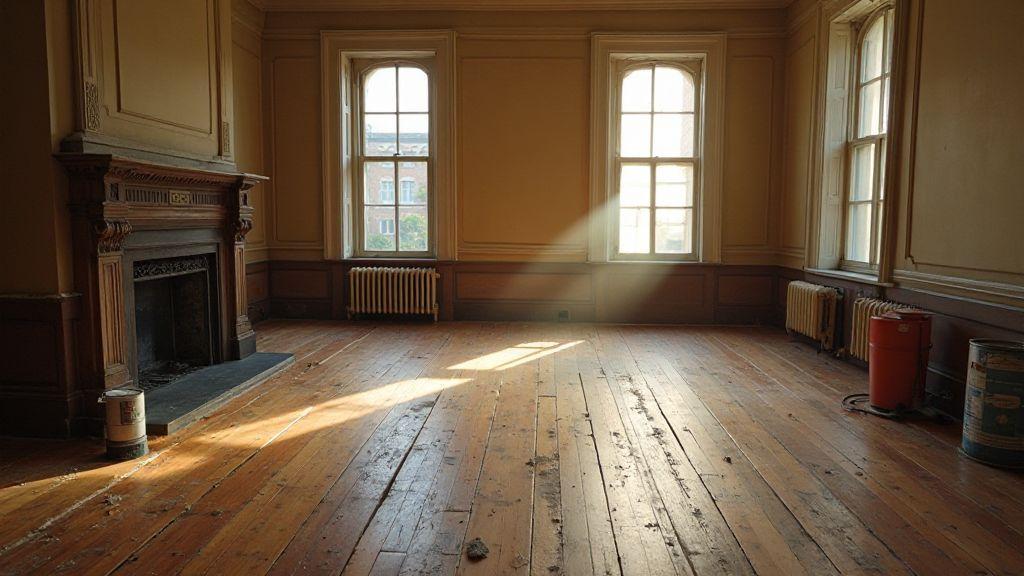
Refinishing Hardwood Floors in Older Philadelphia Homes — this guide shows how to preserve original wood while making it look new. You want floors that keep their story and stand up to daily life. Almeida Perfect Tile brings local expertise in hardwood floor installation and refinishing: we inspect, repair, and refinish using safe sanding, dust control, and eco‑friendly finishes. Expect clear bids, honest advice, and a smooth process that honors your Philadelphia home. For a free consult call (267) 338‑9798.
Key takeaway
- You can restore old Philly hardwood through refinishing — learn common warning signs on our guide to signs your hardwood floor needs refinishing.
- Choose pros who know older homes — how to choose the best flooring contractor in Philadelphia helps you compare bids and experience.
- Proper sanding, finish, and dust control prevent damage and reduce surprises.
- Refinishing saves money and preserves historic character when done right.
Choosing Almeida Perfect Tile for older Philadelphia floors
You want your old Philadelphia floors to feel like home again. Almeida Perfect Tile knows how those floors were built — the nails, the boards, the grooves — and matches historic styles to modern wear needs so your floor looks right and lasts. We explain material choices (durability, color, upkeep), show samples from recent projects, and provide straightforward prices and timelines. If repairs show up under old boards, we handle them promptly and explain changes so you get no surprises.
| Service | Why it matters | What Almeida does |
|---|---|---|
| Material matching | Keeps historic look | Source matching planks and stains |
| Repair & leveling | Prevents squeaks and damage | Replace subsurface, re‑nail, level |
| Finish choice | Affects wear and shine | Recommend finishes for foot traffic |
| Timeline & price | Lets you plan | Transparent quotes and schedules |
Ready for a quick chat? Call (267) 338‑9798 or contact our Philadelphia office for a free consult.
Refinishing your older Philadelphia hardwood floors with care
When you think about Refinishing Hardwood Floors in Older Philadelphia Homes, picture bringing out the floor’s best face. We sand carefully to preserve board shape and grain, use low‑dust methods to protect your home, and repair chips and grooves so the grain reads like it always should. We’ll help you choose a finish that fits your lifestyle — some finishes resist shoes and spills better; others warm the room. After refinishing, your floor will be easier to clean and stronger for years.
“They turned my 1890s parlor floor from tired to proud again. Fast, friendly, and clean.” — a South Philly homeowner
Local expertise in historic Philadelphia hardwood floor restoration
Old Philly floors have quirks: odd plank widths, hand‑cut nails, layered finishes. Almeida Perfect Tile has repaired floors across neighborhoods and knows the differences between a Rittenhouse manor and a Northeast rowhome. We pull permits when needed, protect trim and plaster, and work around your schedule so repairs respect the home’s history and finishes hold up to city life. See examples of our neighborhood work in the projects gallery.
Our quality checks and guarantees
Before we call a job done we verify surface flatness, finish adhesion, smooth transitions, and a clean site. We back our work with a clear warranty and quick follow‑up if anything goes wrong.
Inspecting older Philadelphia hardwood floors
Start by walking every room slowly. Look for gaps, cupping, dark stains, and thin finish — common signs in older rowhomes and brownstones that can point to humidity or past leaks. Shine a flashlight along baseboards and under radiators, check under rugs and cabinets, and note nail type (square nails often indicate older boards). Photograph problem areas and measure board widths — these details matter when you call a pro.
Almeida Perfect Tile inspects floors like this daily in Philadelphia and will tell you whether to refinish, replace, or repair. For more on recognizing when a full refinish is needed, review our signs and symptoms guide.
Spotting water, rot, and insect damage
Water: dark rings, warped or springy boards — check closets, bathrooms, basements, and window sills. If moisture is present, consider recommended alternatives and repair approaches in our “best flooring options for wet areas in Pennsylvania homes” resource.
Rot/insects: soft wood, hollow sounds when tapped, sawdust‑like frass, mud tubes, or tiny exit holes — document and call a specialist if you see these.
| Sign | What it likely means | Quick action |
|---|---|---|
| Dark stains or cupping | Prolonged moisture | Dry area, find source, stop leak |
| Soft spots or springy boards | Rot or subfloor decay | Mark area, avoid traffic, professional repair |
| Sawdust/holes | Termites or carpenter ants | Document, call pest control and flooring expert |
Identifying original wood species and planks
Old Philly homes may have wide pine, red oak, or rare chestnut. Grain, color, and board width help ID species. Pull a loose baseboard or look in a closet for end grain; note nail type. These facts help Almeida recommend the right sanding, stain, or repair that preserves character and value.
Documenting condition before refinishing
Photograph rooms from multiple angles, note problem spots, measure plank widths, and list loose or replaced boards. Bring this log to your estimator so quotes are accurate and surprises are minimized.
Quick tip: Label photos by room and include close‑ups of stains or holes to speed estimates.
Sanding and refinishing antique hardwood floors in Philadelphia
For Refinishing Hardwood Floors in Older Philadelphia Homes, antique floors usually require gentler approaches to keep original plank and patina. Start by checking for loose nails, gouges, or water damage. Use a drum sander for centers and hand or edger tools near walls and stairs to protect trim and profiles. Slow and steady sanding preserves character; aggressive sanding can erase it.
When sanding is complete, stain and finish choices determine the room’s final feel — stain to warm a Victorian parlor or brighten a loft; finish for durability and look. Almeida Perfect Tile brings the right gear and experience for city homes and businesses — our hardwood refinishing services cover sanding, staining, and sealed finishes.
Safe sanding methods and dust control
Use sanders with HEPA‑filtered vacuum attachments, seal doorways, and run air scrubbers for larger jobs. Edge work should use lower‑speed tools and hand sanding to avoid over‑sanding. Progress grits gradually — coarse to medium to fine — and vacuum between passes to prevent dust grit from scratching. For occupied spaces, work in sections and ventilate well.
Slow sanding and tight dust control save you from days of cleaning and a host of respiratory headaches.
Stain and finish choices for old homes
Pick a stain that complements period details — dark walnut or amber for Victorian trim; natural or whitewashed for modern lofts. Always test samples in your light.
Finish options:
- Oil‑based polyurethane: rich amber tone, high durability, longer dry time, higher fumes.
- Water‑based polyurethane: clear, non‑yellowing, fast drying, low odor.
- Hardwax oils: matte, natural feel, medium durability, more maintenance.
- Shellac/varnish: glossy vintage look for low‑moisture areas.
| Finish Type | Look | Dry Time (per coat) | Durability | Best For |
|---|---|---|---|---|
| Oil‑based poly | Rich, amber | 8–24 hours | High | Historic rooms with low chemical sensitivity |
| Water‑based poly | Clear, non‑yellowing | 2–4 hours | High | Busy homes, quick turnarounds |
| Hardwax oil | Matte, natural | 6–12 hours (longer cure) | Medium | Hands‑on homeowners, artisan look |
| Shellac / Varnish | Glossy vintage | 1–6 hours | Medium | Period‑accurate finishes, low‑moisture areas |
Timeline from sanding to final coat
Expect about 3–7 days for a standard residential room:
- Day 1: repairs and coarse sanding
- Day 2: medium/fine sanding, vacuuming, tack wipe
- Day 3: stain (if used) and first finish coat
Most jobs need 2–3 finish coats with sanding between coats. For oil‑based or commercial systems allow extra drying/cure time before heavy use.
Preserving original hardwood in Philadelphia historic homes
Treat original wood like an heirloom. Decide whether to full sand, screen‑and‑coat, or do targeted repairs based on board depth and condition. Restoration usually wins when boards are original and solid: it preserves value and character more effectively than wholesale replacement. Learn more about restoration versus replacement in our refinishing services overview.
Oak refinishing for Victorian homes
Victorian homes often have hard oak that sands to reveal beautiful grain. Match era stains — warm amber or deep walnut — and pick a finish (polyurethane for durability; water‑based for lighter, faster drying options). Almeida will show samples on site so you can see color in your light; check similar transformations in our portfolio.
Best refinishing for rowhouses
Rowhouses are tight and layered with history. Options depend on board thickness and wear:
| Option | Best for | Pros | Cons |
|---|---|---|---|
| Full sand & refinish | Thick original boards (3/4″) | Deep restoration; removes stains | More dust; longer timeline |
| Screen & coat | Thin boards or light wear | Fast; low dust; economical | Won’t remove deep scratches |
| Spot repair & blend | Local damage | Saves original boards; cheaper | Color match can be tricky |
Restoration beats replacement when original planks are solid and you want to keep historical character. Call Almeida for an on‑site assessment before buying new wood.
Cost to refinish hardwood floors in Philadelphia older homes
Costs vary widely. Basic sanding and two coats on an open, healthy floor might be inexpensive; older homes with bowed boards, nail pops, or layers of finish push costs up because of hidden repairs. Narrow stairs, tight access, premium stains, and seasonal demand also affect price.
Key price factors and square‑foot estimates
Square footage, floor condition, and finish type are the main drivers. Typical ranges for older Philly homes:
- $3–$6 per sq ft: standard sanding and two coats
- $6–$10 per sq ft: spot repairs, stair work, specialty stain
- $10 per sq ft: board replacement, major leveling, commercial finishes
| Floor Size | Typical Cost Range | Common Issues Included |
|---|---|---|
| Up to 300 sq ft | $900–$1,800 | Minor sanding, 2 coats finish |
| 300–800 sq ft | $900–$4,800 | Average project, may need spot repairs |
| 800–1500 sq ft | $2,400–$9,000 | Full sanding, stairs, moderate repairs |
| 1500 sq ft | $4,500 | Large jobs, possible board replacement |
Note: Older floors often need more prep; allow an extra 10–30% for surprises and ask for line‑item pricing.
How Almeida Perfect Tile gives you a clear bid
We start with an on‑site walkthrough and provide a written, itemized bid showing charges for prep, sanding, stain, finish coats, repairs, and dust control. That way you can compare apples to apples and choose where to invest for long‑term value. For guidance on vetting bids and contractors, read our contractor selection guide.
Tips: Get at least three written bids, check for missing line items, ask about dust control and product brands, and check recent local references.
Eco‑friendly options and hiring local contractors
Choose reclaimed hardwood, cork, and low‑VOC finishes to reduce chemical exposure — important in old, less‑ventilated buildings. Dustless sanding systems and proper moisture checks keep refinishing safe. Hiring a local Philadelphia contractor matters: local crews know codes, common subfloor issues, and neighborhood logistics. Almeida Perfect Tile offers warranties, clear timelines, and daily communication so your project runs smoothly. See our full list of available services including eco‑conscious options.
Low‑VOC finishes and green refinishing in Philadelphia
Water‑based polyurethanes and modern hardwax oils dry faster, resist yellowing, and have low odor. Contractors using HEPA dust systems reduce airborne particles and improve indoor air quality. For Refinishing Hardwood Floors in Older Philadelphia Homes, green refinishing protects old wood and your household — explore green options in our blog on finishes and indoor air quality.
“Almeida Perfect Tile made our old floors sing again — the smell was gone in hours and our kids could play on the floor the next day.” — local homeowner
Local hardwood refinishing contractors for historic properties
Historic properties need hands that know old nails, uneven boards, and hidden paste floors. Choose a refinisher with local photos of past work in Philly homes; our portfolio highlights neighborhood projects and period restorations. Don’t let cheap sanding burn thin planks or erase character. Ask how they match stain color and protect stair nosing and trim.
Practical tips for refinishing hardwood floors in old Philadelphia houses
- Check for loose boards and squeaks; repair before sanding.
- Use dustless sanding and a low‑VOC finish.
- Test stain samples in different light.
- Protect moldings and adjacent rooms; ventilate for a day or two.
- Schedule work in sections for occupied homes.
| Finish Type | Typical VOC Level | Dry Time | Best For |
|---|---|---|---|
| Water‑based polyurethane | Low | 2–4 hours per coat | Light color choices, fast projects |
| Hardwax oil | Low–Moderate | 8–24 hours | Natural look, historic feel |
| Oil‑based polyurethane | High | 24 hours | Heavy wear, deeper amber tone |
For a free consult in Philadelphia call Almeida Perfect Tile at (267) 338‑9798 or request an estimate online. We’ll assess your floors and give clear options for green refinishing and local repairs.
Conclusion
If preserving original planks and period charm matters, restoration usually wins over replacement. Choose a pro who will inspect, repair, and refinish with gentle sanding, tight dust control, and eco‑friendly finishes. Almeida Perfect Tile brings local know‑how, itemized bids, and a warranty so surprises are rare and the job respects your home’s history.
Think of Refinishing Hardwood Floors in Older Philadelphia Homes as careful restoration: small, deliberate moves matter more than heavy‑handed fixes. Expect a short timeline for a single room and plan a buffer for hidden repairs. Ask for a written bid, check warranties, and pick finishes that match daily wear and indoor air quality needs.
Ready to learn more? Visit Almeida Perfect Tile and keep your floors singing for years to come.