
Call us: (267) 338 9798
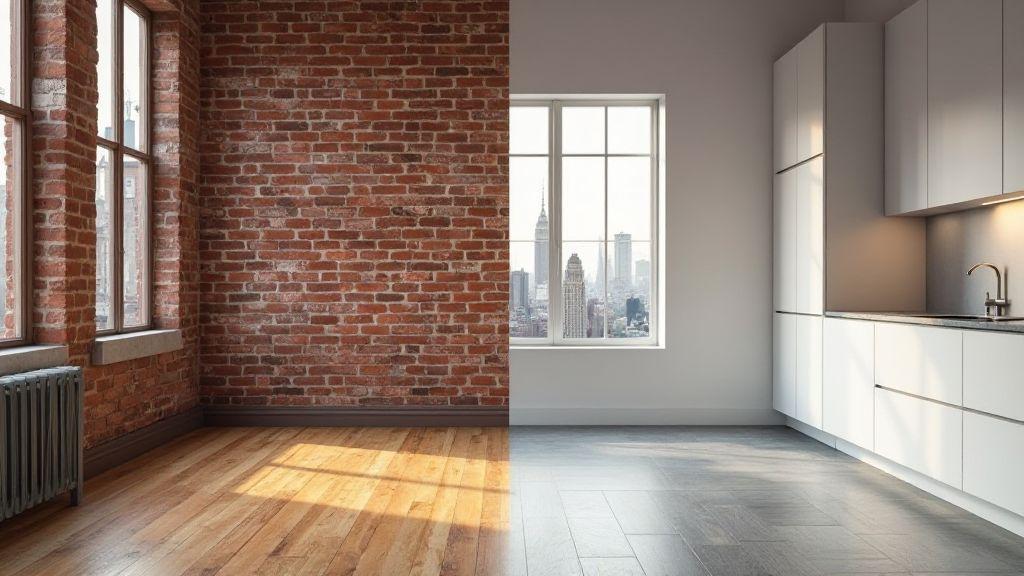

Hardwood vs Tile Flooring: Which Is Best for Philadelphia Homes?
You want floors that handle Philadelphia humidity, look great, and boost your home’s value. Almeida Perfect Tile guides you through moisture warning signs, cost-smart choices, room-by-room picks, and install steps to make your remodel feel easy. You’ll get clear tips on durability, maintenance, and resale value tailored to Philly homes. For kitchens, you may wonder which is best—tile vs hardwood in Philly kitchens.
Key Takeaway
- You get better water resistance with tile
- You get a warm, classic look with hardwood
- You spend less on care with tile from Almeida Perfect Tile
- You can raise home value with good hardwood
- Almeida Perfect Tile helps you pick the best option
How Philadelphia Humidity Affects Your Floors
Humidity in Philadelphia can surprise you, especially in basements and kitchens. Understanding how moisture behaves helps you pick the right floor and keep it looking great longer. Humidity affects materials differently, so knowing the basics empowers smarter choices with Almeida Perfect Tile. We guide you from the first chat to the final reveal, making the process smooth and satisfying.
Humidity moves in waves: it can cause wood to swell, peel, or cup, and can push concrete and tile to crack or loosen grout. In our city, seasonal swings—humid summers and damp springs—stress floors in kitchens, laundry rooms, and entryways. With the right approach, you protect your investment and enjoy durable floors that stay true to their look. Think of humidity as a critic testing your floor choices; you want tiles or flooring that pass the test.
We tailor for humidity from day one. We’ll explain how different materials react to moisture and tailor a plan to fit your space and budget. Our team is dedicated to quality and satisfaction, offering clear recommendations, upfront pricing, and support every step of the way so your floors perform well in Philadelphia’s climate.
Flooring for a Humid Philadelphia Climate
Choosing flooring for a humid climate starts with moisture tolerance. For kitchens, bathrooms, and laundry rooms, tile and certain resilient options stand up well to humidity, while hardwood needs extra care or alternatives in high-moisture zones. If you’re deciding between materials, weigh water resistance, stability, and maintenance. Almeida Perfect Tile helps you compare pros and cons in plain language so you don’t feel overwhelmed.
Porcelain tile, ceramic tile, and stone with low water absorption perform better in humid spaces. They resist warping, staining, and swelling when installed with moisture barriers and proper underlayment. In living areas or bedrooms where humidity is milder, water-resistant wood-look tiles offer the warm look of wood with less risk than traditional hardwood. We guide you through product options, install methods, and long-term care so you feel confident with your choice.
- Consider installing a vapor barrier beneath tile in damp spaces to slow moisture transfer.
- Use grout sealed for water resistance, and epoxy grout in wet zones for extra durability.
- Maintain proper humidity levels with a dehumidifier in damp rooms and good ventilation around bathrooms and kitchens.
Signs of Moisture Damage to Watch For
Moisture shows up in different ways. In floors, look for cupping, warping, or soft spots—signs that moisture has moved where it shouldn’t. In ceramic and porcelain tiles, you might see loose tiles or cracked grout from substrate movement. Hardwood floors can show gaps between boards, dark spots, or edges that curl up slightly. If you see these signs, seek a professional assessment early to save money and keep your space sharp.
- Changes in color or sheen after a shower, sink, or washing cycle
- A musty smell in certain rooms
- Condensation buildup on windows and walls near moisture sources
Callout: If you’re unsure about moisture levels, Almeida Perfect Tile can test substrate moisture and guide you toward the right solution, from material choice to finishing.
Humidity Control Tips
Keeping humidity in check helps floors last longer. Start with proper ventilation in bathrooms, kitchens, and laundry rooms. Use exhaust fans venting outside and run them during and after use. In basements, consider a dehumidifier and a moisture-friendly subfloor system. The right mix of ventilation, sealing, and material choice keeps floors looking great in Philadelphia’s climate. For ongoing moisture management in Philadelphia’s climate, see how to maintain tile floors in Philadelphia’s climate.
- Maintain indoor humidity between about 30% and 50% for best results with most flooring
- Use breathable underlayment and moisture membranes where risk is higher
- Schedule seasonal checks to catch rising moisture early
Quick Reference: Humidity-Friendly Flooring Choices
| Flooring Type | Best Use in Philly Humidity | Pros | Cons |
|---|---|---|---|
| Porcelain tile | High-humidity areas, kitchens | Very water resistant, durable | Cold underfoot, grout maintenance |
| Ceramic tile | Bathrooms, entryways | Affordable, easy to clean | Similar grout maintenance to porcelain |
| Stone (sealed) | Laundry rooms, mudrooms | Natural look, strong | Requires sealing, can be porous |
| Epoxy or cement tile | Basements, utility rooms | Very moisture resistant | Higher install cost, professional finish needed |
| Wood-look tile (grain) | Living areas with moisture limits | Warmer look, low moisture risk | Careful sealing, routine maintenance |
| Real hardwood | Low-moisture rooms only | Warmth and resale value | Not ideal in damp spaces, humidity control needed |
Choosing the right flooring isn’t just about what looks good today—it’s about what holds up against Philadelphia’s humidity year after year. — Almeida Perfect Tile
Durability: Hardwood vs Tile in Philly
In Philadelphia, durability is more than just looks. It means standing up to humidity, seasonal changes, busy hallways, and high foot traffic. Almeida Perfect Tile helps you weigh durability so floors stay beautiful longer. You’ll learn which material resists wear, ages well, and what maintenance you’ll need to keep it in great shape through Philly’s seasons.
Durability isn’t only about scratch resistance or water tolerance—it’s about long-term resilience. We provide expert insight, reliable materials, and installation that stands the test of time in Philadelphia.
Durability: Hardwood vs Tile Philly
Hardwood brings warmth and a classic look, but heavy traffic and humidity can show wear if not treated properly. Tile resists moisture, scratches, and heavy use, making it ideal for kitchens, entryways, and baths. In Philly, tile shines in damp areas, while hardwood longevity depends on proper sealing, acclimation, and maintenance. We help you pick species and finishes that balance beauty with toughness for Philly living.
The installation piece also matters. Hardwood expands and contracts with humidity swings, typical of Philly summers and winters. If you choose hardwood, expect solid construction, proper acclimation, and precise installation to minimize gaps. Tile, especially porcelain or glazed ceramic, remains stable with temperature changes when laid with the right thinset and grout. Our team matches materials to your space for the durability you expect.
- The right grain and finish can extend hardwood’s life in busy areas
- Proper grout and substrate prep make tile endure better in damp, high-traffic zones
Hardwood Maintenance: Philadelphia Homes
Hardwood maintenance means regular care to preserve color and finish against daily life and humidity. Wipe spills quickly, use recommended cleaners, and re-seal or refinish as needed. Almeida Perfect Tile tailors a maintenance plan to your hardwood species and finish, avoiding damage from wrong products. Routine dusting, occasional refinishing, and climate-aware care help hardwood stay tall through Philly’s seasons.
- Use a soft microfiber mop and a pH-balanced cleaner
- Refinish when the wear layer shows through, not just when scratches appear
Simple Durability Checklist
- Choose a hardwood species with a tough finish and proper sealant for high-traffic Philly areas
- Ensure acclimation and quality installation to minimize gaps or cupping
- Pair hardwood with climate-control to reduce humidity swings
- For tile, select porcelain or high-grade ceramic with correct grout and solid substrate
- Use expansion joints and professional grouting to prevent cracks
Callout: If you’re weighing Hardwood vs Tile Flooring: Which Is Best for Philadelphia Homes?, Almeida Perfect Tile can guide you to a solution that stays strong through Philly weather and daily wear. Call us at (267) 338-9798.
Table: Quick Comparison of Durability Factors (Philly Focus)
| Factor | Hardwood (Philly) | Tile (Philly) |
|---|---|---|
| Moisture resistance | Moderate (with sealing) | Excellent (porcelain/ceramic) |
| Scratches/dents | Can show wear in high traffic | Very abrasion resistant (with proper tile) |
| Temperature/humidity impact | Expansion/contraction risk; needs acclimation | Very stable with proper installation |
| Maintenance needs | Regular cleaning; periodic refinishing | Easy to clean; regrout if needed |
| Ideal spaces in Philly | Living rooms, bedrooms with low moisture risk | Kitchens, baths, entryways, busy corridors |
Choosing the right flooring isn’t just about today’s look—it’s about lasting performance in Philadelphia’s climate.
Cost Comparison for Philadelphia Installations
You deserve clear numbers for your Philadelphia project. Hardwood and tile costs depend on material quality, installation complexity, and long-term maintenance. We break down what drives costs so you can plan confidently and get the best value for your space.
Prices reflect real Philadelphia projects—from row homes to modern spaces. A quick consult with Almeida Perfect Tile can turn vague estimates into a clear plan. Aesthetic value, resale potential, and maintenance all factor into your decision. Hardwood offers warmth and longevity; tile offers durability and low maintenance. We’ll help you choose the right option for your space and budget, with professional installation and a smooth experience.
Ready for a clear side-by-side quote? Contact Almeida Perfect Tile at (267) 338-9798 for a Philadelphia-specific breakdown that fits your room sizes and style. For budget options near Philadelphia, explore affordable flooring installation near Philadelphia to see your choices.
Cost Comparison: Hardwood vs Tile Philadelphia
Material cost per square foot varies by species and tile type, but installation complexity often matters more. Hardwood requires acclimation, sanding, staining, and finishing, which can raise labor costs. Tile costs depend on the tile itself, underlayment, and layout complexity. The sweet spot is where your space and lifestyle align with value.
Expect hardwood to have higher initial material costs and potential refinishing expenditures over time. Tile often starts with lower material costs, but premium porcelain or stone can match hardwood in total cost. For kitchens and baths, tile often wins on durability and moisture resistance; for living areas, hardwood can provide enduring warmth and character. We can provide exact side-by-side quotes for your Philadelphia home or business.
Ready for a clear side-by-side quote? Contact Almeida Perfect Tile at (267) 338-9798 for a Philadelphia-specific breakdown that fits your room sizes and style.
Tile Installation Philadelphia Cost
Tile installation costs depend on layout complexity, surface prep, and tile type. Simple grid patterns on flat subfloors are more affordable; spaces with uneven floors, moisture issues, or required backer boards and waterproofing will adjust the plan and price. Labor dominates tile projects, especially for precise grout lines, patterns, or large formats. With Almeida Perfect Tile, you’re paying for a finished, professional result that lasts. We map out a realistic schedule and provide updates throughout.
With Almeida Perfect Tile, you’re investing in a smooth, stress-free remodeling journey from consultation to reveal. For timeline specifics, see how long a tile installation project takes in Philadelphia.
Budget Planning Tips
Start with a realistic budget that includes material costs, labor, permits if needed, and a cushion for surprises. In Philadelphia, allow a 10–15% safety margin for potential moisture issues or structural concerns. Decide whether you prioritize premium hardwood or low-maintenance, high-quality tile, and let us tailor a plan. If you’re unsure, consider staging installations—start with high-impact zones like kitchens and foyers, then complete other areas later.
Typical Cost Ranges (Installed) in Philadelphia
- Hardwood finishes: $6–$12 per sq ft (material)
- Ceramic/porcelain tile: $2–$8 per sq ft (material)
- Installation labor: Hardwood finish and install $3–$8 per sq ft; tile install $5–$12 per sq ft
- Typical total installed cost per sq ft: Hardwood $9–$20; Tile $10–$20
Prices vary with species, stain, finish, and site conditions. Higher-end tiles and complex patterns raise costs.
Installation Steps and Local Contractors
From material choice to a flawless finish, you’ll have a clear path with trusted local help. Almeida Perfect Tile guides you through each phase so your hardwood or tile project in Philadelphia stays on schedule and within budget. We ensure precise measurements, moisture mitigation, and tidy job sites from start to finish, so you can relax while your space transforms.
- Hardwood prep focuses on moisture control and leveling
- Tile prep centers on bed thickness, adhesive, and grout integrity
- We communicate clearly, verify fit and pattern, and use industry-leading products
- We provide transparent timelines and updates every step of the way
Need a quick start? We tailor timelines to your schedule and budget, with regular updates and photos. When evaluating contractors, see how to choose the right tile contractor in Philadelphia.
Timeline: Hardwood and Tile Installs
Most Philadelphia projects move from selection to install within a few weeks, depending on material availability and permits. Hardwood timelines hinge on acclimation and moisture testing (1–3 days) plus subfloor prep and a finish sequence. Tile timelines run a bit longer at the start and finish due to setting and grout curing, but deliver a durable surface. We stay flexible with Philly weather and usage, prioritizing speed without sacrificing quality. You’ll receive a clear, itemized schedule upfront and steady progress updates.
Hiring Almeida Perfect Tile in Philadelphia
Hiring us means partnering with a team that aligns with your home goals. We start with a no-pressure consultation, present budget-friendly options, and introduce craftsmen who treat your home with respect. Our Philadelphia roots help us tailor methods to local climate and traffic.
- Honest timelines, transparent pricing, and a clear plan
- Quality craftsmanship with careful cleanup after every day
- Honest guidance to weigh pros and cons for your space
If you’re weighing Hardwood vs Tile Flooring: Which Is Best for Philadelphia Homes?, we’ll help you compare options in the context of your actual space. See also our guidance on choosing the right tile contractor in Philadelphia or exploring the top questions to ask a tile contractor in Philadelphia before hiring.
Prep and Inspection Checklist
Before we start, confirm:
- Subfloor is dry, level, and clean
- For tile: backer boards and moisture barriers are in place as needed
- For hardwood: space is acclimated and moisture-tested
- Access to power and lighting for grinding/finishing
- Plan for daily cleanup to keep your home comfortable
During inspections, we check levelness, straight lines, proper gaps for expansion, and uniform grout or finish color. We address issues promptly to avoid delays. At the end, you’ll have a spotless floor aligned with your vision and clear care instructions.
For a helpful reference on tile preparation, see can-you-tile-over-existing-floors-guide-for-philadelphia-homeowners.
Quick Reference Timeline Overview
- Phase: Preparation — 1–3 days
- Phase: Subfloor Prep (hardwood) / Backer Board & Moisture Barriers (tile) — 1–3 days
- Phase: Layout & Dry Run — 1 day
- Phase: Installation — 2–5 days
- Phase: Finishing — 1–3 days
- Phase: Cure & Final Inspection — 1–2 days
Best Flooring by Room in Philadelphia Homes
Floors set the room’s tone and handle daily wear in Philly’s climate. We tailor choices to each space, balancing durability and style.
Kitchens and Bathrooms: Tile Flooring Benefits Philadelphia
Tile resists moisture, heat, and heavy use, and stays cool in warm months. For busy kitchens and baths, durable ceramic or porcelain with slip-resistant textures and grout that hides dirt is ideal. Pattern and texture can improve safety and ease of cleaning.
Tip: A textured tile surface and larger tiles with minimal grout lines look modern and are easier to clean. For kitchen-specific options, see top kitchen flooring choices for homes in the Philadelphia area.
Living Areas: Hardwood Flooring Pros and Cons Philadelphia
Hardwood adds warmth and character, complementing brick and stone accents common in Philadelphia. Finishes can be changed with minimal disruption, preserving a cohesive look. In high-traffic zones, choose a durable finish and consider area rugs for protection. Proper coatings and finishes help hardwood outperform other materials in comfort and resale value.
Quote: You don’t have to sacrifice style for practicality. The right hardwood and finish keep living spaces beautiful in Philly. For refinishing guidance, see signs your hardwood floor needs refinishing in Philadelphia.
Room-by-Room Selection Tips
Start with moisture needs in kitchens and baths, then consider warmth for living areas. Consider traffic patterns and choose finishes that hide wear while keeping spaces bright. We show samples in natural light so you can see aging over time.
| Room type | Best flooring fits | Key considerations |
|---|---|---|
| Kitchens | Tile (porcelain/ceramic), moisture-friendly options | Slip resistance, grout color, durability |
| Bathrooms | Tile, non-slip textures | Water resistance, grout maintenance, mold prevention |
| Living areas | Hardwood, engineered wood | Comfort underfoot, warmth, resale value, wear tolerance |
| Hallways/high-traffic | Engineered wood or stone tile | Scratch resistance, sealing, maintenance needs |
Engagement tip: When evaluating samples, bring photos of your space to Almeida Perfect Tile to compare with cabinetry, countertops, and lighting.
Flooring and Philadelphia Home Resale Value
Upgrading floors influences resale value. Materials, installation quality, and maintenance habits affect how buyers perceive your space. Almeida Perfect Tile helps you choose durable, livable flooring that appeals to Philadelphia buyers, making rooms feel larger, cleaner, and more cohesive.
Hardwood adds warmth and a premium feel, often signaling quality to buyers. It handles high-traffic areas well, can be refinished, and aligns with mid- to high-end markets. For resale, avoid dated trends and focus on classic looks with durable finishes. We guide you to timeless options and resilient finishes that stay within budget.
Hardwood Resale Value: Philadelphia Homes
Genuine hardwood can close faster and at higher prices when properly selected and installed. The right species, grade, and finish minimize gaps, squeaks, and cupping. In Philadelphia, moisture-resistant finishes and proper subfloor prep maximize durability and buyer appeal. For refinishing guidance, see refinishing hardwood floors in older Philadelphia homes.
How Tile Affects Resale and Appeal
Tile offers durability, moisture resistance, and a clean, design-forward look. Porcelain and ceramic resist stains and moisture, making tile a smart choice for kitchens, baths, and entryways. With precise layout, grout work, and a lasting finish, tile can anchor a room and appeal to a broad range of buyers.
Value-boosting floor picks include solid hardwood, porcelain tile, modern luxury vinyl plank (LVP), and water-resistant engineered hardwood for moisture-prone areas.
| Flooring choice | Why it helps resale in Philly | Maintenance notes |
|---|---|---|
| Solid hardwood | Timeless appeal; strong resale signal | Refinishing every 10–20 years, depending on wear |
| Porcelain tile | Excellent moisture resistance; versatile design | Easy to clean; grout upkeep required |
| Luxury vinyl plank (LVP) | Durable, affordable, wide design options | Very low maintenance; soft underfoot |
| Engineered hardwood | Stable in humidity; easier to install | Protect with mats; occasional refinishing |
- Keep color palettes neutral and classic to attract a broad audience
- Choose finishes that hide wear in busy zones
- Ensure proper subfloor prep and moisture barriers
Callout: For a Philly property, starting with a solid plan from Almeida Perfect Tile saves money and boosts appeal. Call us at (267) 338-9798 to discuss your options.
Conclusion
Your Philadelphia home deserves floors that handle Philadelphia humidity, look beautiful, and protect your investment. Whether you choose the warmth of hardwood or the resilience of tile, the right material paired with proper installation and a climate-aware maintenance plan matters. Almeida Perfect Tile offers a guided, transparent process from day one to final reveal, including moisture testing, correct underlayment, and durable finishes that stand up to seasonal swings. You’ll gain durability, easier maintenance, and strong resale value—tailored to your space and budget.
Remember, we tailor a plan that fits your room-by-room needs, from moisture control in kitchens and baths to comfort in living areas. For a straightforward way to compare options and a clear project path, call Almeida Perfect Tile at (267) 338-9798 today and start your Philadelphia-ready flooring journey. If you’d like to explore more options, you can also check affordable flooring installation near Philadelphia to understand your choices.