
Call us: (267) 338 9798

Tile Repair vs Replacement: What’s Best for Philly Floors?
This quick guide helps you know when to fix and when to replace your tile. Almeida Perfect Tile in Philadelphia puts your needs first. You’ll see clear signs when repair will work and when replacement makes more sense. You get a simple checklist, smart cost tips, and easy DIY versus pro advice. We cover grout fixes, porcelain and ceramic limits, installation care, and our commitment to quality so your remodel is smooth and satisfying.
Key Takeaway
- You fix small cracks fast with Almeida Perfect Tile.
- You replace when tiles are badly damaged or very old.
- You keep your Philly home’s look because Almeida matches tiles.
- You save time and stress when Almeida handles the job.
- You get clear, honest advice from Almeida to choose what’s best.
When to Repair vs Replace
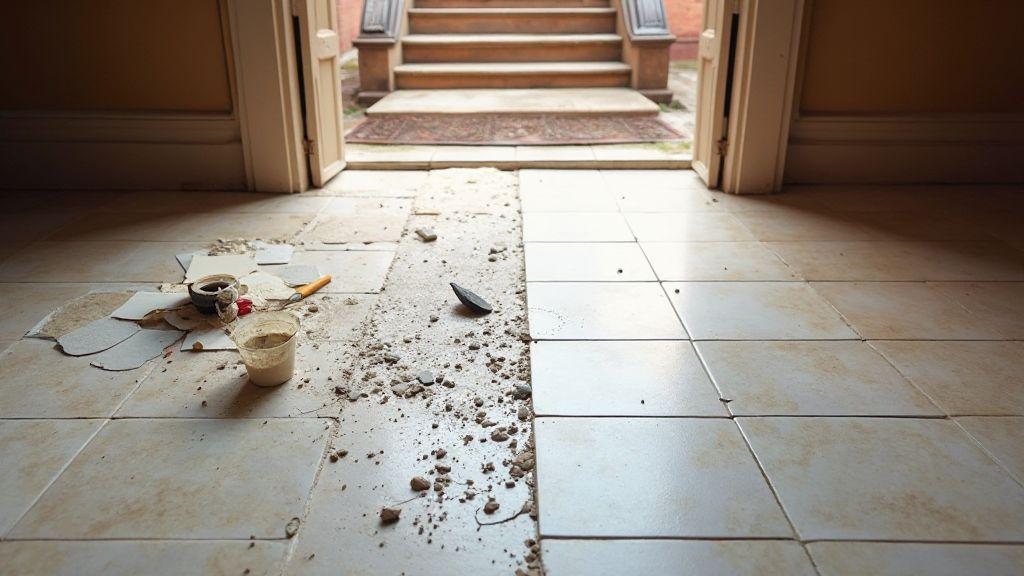
When you’re choosing Tile Repair vs Replacement: What’s Best for Philly Floors? you weigh upfront cost, disruption, and how long you want the floor to look good in your home or business. In Philly, rain, humidity, and busy spaces can affect tile life, so understanding your options helps you decide with confidence. You’ll often save time and money by repairing small issues, but larger damage calls for a fresh start.
If the damage is limited to a few tiles and the subfloor is solid, a repair can be a smart move. It keeps your project smaller and downtime shorter. If many tiles are cracked, grout is crumbling, or the subfloor shows water damage, replacement gives you a clean slate and a durable foundation. The right choice depends on how deep the damage goes and how long you want your floor to stay looking good. We’ll help you weigh those factors so you don’t end up paying twice. Almeida Perfect Tile is here with professional guidance and a smooth remodeling process.
Pro tip from Almeida Perfect Tile: start with a free in‑home assessment to map out your best path forward. We’ll show you what’s repairable now and what benefits you’ll gain from replacing larger sections. This is how you avoid surprises and keep your Philly space looking sharp.
Signs Philly floor tile repair will work
If you’ve got a handful of loose or chipped tiles and the rest of the floor feels solid, you’re a strong candidate for repair. A stable subfloor, good adhesion, and minimal grout damage are signals that a patch job will blend in well and stand up to daily use. A repair is quicker, often cheaper, and leaves less disruption to your life.
Another sign you’ll love is when color matching and keeping the original style matters more than a full facelift. A careful repair can replace only the damaged pieces while preserving your existing look. With the right materials and professional skill, your repaired tiles can stay pleasing for years.
Almeida Perfect Tile turned my kitchen into a showroom with minimal disruption. Best decision. — Philly homeowner
When to repair tile vs replace: key damage signs
If you see widespread cracking, loose tiles throughout a room, or hollow sounds when you tap the tiles, repair is unlikely to hold. Those are signs the subfloor, or the underlayment, is compromised and needs a full fix. Water damage, visible rot, or mold beneath the tiles also point toward replacement, because short‑term fixes won’t solve long‑term moisture issues. If you’re aiming for a long‑lasting, new look or you’re upgrading to a tougher tile, replacement is your path forward. In short, when the damage affects a large area or the structure underneath is compromised, replacement wins.
Budget, timing, and future plans matter, too. If you want to minimize downtime or you’re upgrading to a new color or pattern, replacement gives you a clean slate. If you’re working with a tight budget and the damage is isolated, a targeted repair keeps your project manageable while preserving your current style.
Quick checklist for homeowners
Before you decide: Is the damage localized or widespread? Is the subfloor dry and solid, with no signs of rot or mold? Can you find matching tile to preserve your look if a repair is needed? Are you prepared for the downtime and cost of replacement if it becomes necessary? And will you benefit from a refreshed underlayment or waterproofing layer? If most answers point to repair, you’re in a great spot to move forward with a precise fix. If not, plan for a full upgrade to avoid recurring problems and gain a longer‑lasting result.
| Factor | Repair Recommendation | Replace Recommendation |
|---|---|---|
| Extent of damage | Localized damage, solid subfloor | Widespread damage, damaged subfloor |
| Tile availability | Matching tile exists | New tile style or color desired |
| Subfloor condition | Dry, stable | Moisture or rot present |
| Budget | Lower upfront cost | Higher upfront cost, longer life |
| Downtime | Shorter | Longer downtime for installation |
If you’re unsure, Almeida Perfect Tile can walk you through the table and help you choose the best option for your Philly space. We’ve built our reputation on real results and clear guidance.
For more specifics, give us a call at (267) 338‑9798. We’ll tailor the plan to your home or business in Philadelphia, PA.
Cost: Repair vs Replacement Philly
If you’re staring at cracked tile, stubborn stains, or rising water damage, you’re weighing repair vs replacement. In Philadelphia, your decision comes down to the tile condition, room usage, and how long you want the outcome to last. Almeida Perfect Tile breaks down costs, options, and timelines in plain language to protect your space without overspending and to keep your floors looking great for years.
Your next cost driver is how big the job is and what’s under the tile. If only a small area needs a fix, a quick repair might do the trick. If the subfloor is damaged or the pattern is complex, replacement could save trouble in the long run. We’ll help you compare the immediate price with long‑term value, so you’re not surprised later. Tile Repair vs Replacement: What’s Best for Philly Floors? is a question we’ll answer directly, walk you through, and tailor to your Philly home or business.
You’ll want a plan you can trust. We’ll review the damage, show you a straight‑line quote, and point out any hidden costs from the start. You’ll know exactly what you’re paying for, from removal to grout to sealer. If you’re unsure where to start, reach out at (267) 338‑9798 and we’ll walk you through the options for your Philly space.
Typical tile replacement cost Philadelphia
Replacement costs depend on the tile type, room shape, and prep needed. Ceramic is budget‑friendly; porcelain is durable mid‑range; natural stone is premium and higher maintenance. The overall price includes removal and disposal, underlayment, and any needed waterproofing or crack repair. In Philadelphia, a well‑planned replacement often provides better durability and a longer life than frequent repairs, especially in high‑traffic areas.
| Tile Type | Installed Cost per sq ft (range) | Removal/Prep Cost per sq ft (range) | Notes |
|---|---|---|---|
| Ceramic | $5 – $12 | $2 – $6 | Great for bathrooms and kitchens; budget-friendly |
| Porcelain | $8 – $15 | $2 – $6 | Durable, water resistant; good for high-traffic areas |
| Natural Stone (Travertine/Marble) | $12 – $30 | $3 – $8 | Beautiful, higher maintenance; frequent sealing |
| Patterned/Decorative | $10 – $25 | $3 – $7 | Pattern matching adds cost but boosts look |
Think of these figures as starting points. Your exact price depends on room size, complexity, and the current subfloor. Almeida Perfect Tile will give you a precise, itemized quote after inspecting your Philly space, so you know where every dollar goes. A clean line‑by‑line estimate helps you compare apples to apples across quotes.
Callout: A clean budget starts with a clear plan. We break down every line item so you can see where each penny goes and how it affects the finish you’ll live with.
Comparing repair quotes and hidden costs
When you compare quotes, look for the same scope of work in every bid. Are they removing the old tile and underlayment? Do they include waterproofing or crack repair if needed? Make sure the materials match across quotes and that the area measured is the same. A cheaper quote can hide extra charges later, like disposal fees or extra trips to bring in materials. You want a bid that items everything out so you know exactly what you’re paying for from start to finish.
Hidden costs can sneak in through disposal, subfloor repair, or extra trips for difficult angles. Ask every contractor to break out costs for removal, demolition, new underlayment, grout, sealer, and waste disposal. Find out if there are travel fees, permit charges, or warranties that add to the price. With Almeida Perfect Tile, cost transparency is standard. You’ll get an itemized quote and a clear plan, so you’re never guessing about what’s included.
Budget tips from Almeida Perfect Tile
- Start with 3 budget levels (basic, mid, premium) and know what each level includes.
- Favor durable, easy‑to‑care‑for materials where possible.
- Ask about promotions or financing options to keep the project moving.
- Plan timing around slower seasons or specials in Philadelphia.
- Always request a detailed, itemized estimate and a written warranty.
- If you’d like personal guidance, contact Almeida Perfect Tile. We’re in Philadelphia, PA, ready to help you choose the best path for your space.
Grout and Small Fixes
Grout is the backbone between your tiles. It’s more than a color line—it’s a barrier against water, dirt, and wear. In Philadelphia, grout faces moisture, temperature swings, and heavy foot traffic, so keeping it in good shape saves headaches later. You can tackle many small fixes yourself—from routine cleaning to sealing and touch‑up regrout—and you’ll notice cleaner lines and longer tile life. If you’re unsure where to start, Almeida Perfect Tile is just a call away at (267) 338‑9798.
If you’ve ever thought about Tile Repair vs Replacement: What’s Best for Philly Floors?, you’re not alone. Sometimes a quick grout fix is all you need, which saves time and money. Other times, the whole area might need attention. Either way, you’ll get a clear plan from a local pro who knows Philly homes.
For most small fixes, you don’t need fancy gear, but you do need a plan. Regular maintenance—cleaning, sealing, and regrouting as grout wears—helps prevent bigger problems, keeps moisture out, and makes cleaning easier. You’ll be surprised how much longer your tile looks fresh when you stay on top of these tiny things. When you’re ready to dive in, we can help you decide between DIY fixes and calling in the pros.
Quick tip: In Philly, grout issues often sneak up after seasonal changes. Quick, focused fixes now protect your investment and keep your space looking sharp. Almeida Perfect Tile has helped countless Philly spaces stay sturdy and stylish with practical grout care. Reach us at (267) 338‑9798.
Grout and tile repair Philadelphia: what it fixes
Grout repair fixes the joints between tiles. When grout cracks or gaps open, water can creep behind tiles, dirt collects in the seams, and you’ll see movement. A solid grout line also keeps your pattern looking crisp—especially in showers, backsplashes, and flooring common in Philly kitchens and baths.
It also helps with tile stability. If you have loose or hollow‑sounding tiles, damaged grout can be the culprit behind movement. Replacing damaged grout, matching color, and resealing keeps tiles solid and prevents more wear.
When grout repair beats full replacement
If your tiles are sound but the grout is worn, patched grout or regrouting is a smart move. It preserves your existing tile, costs less, and creates far less mess than a full tear‑out. For many Philly bathrooms and kitchens, this is the fastest path to a refreshed space without a big disruption. If you’re balancing budget and timeline, grout repair often wins. But if grout is deeply stained, moldy, or you have widespread grout damage, replacement could be cheaper in the long run. A pro like Almeida Perfect Tile will help you weigh the options and pick the best path for your Philly floor.
Simple tools for DIY grout repair
For simple DIY grout repair, you’ll want a grout removal tool or carbide tip scraper, a rubber grout float, a mixing bucket, a margin trowel, replacement grout (sandless or sanded, depending on the joint), a damp sponge, a grout sealer, and a little patience. Start by cleaning the area, remove only the damaged grout, mix fresh grout, press it into the joints, wipe off excess with a sponge, and seal once dry. If the pattern is tricky or you’re not confident, you can still get a solid result by starting with a small area and calling Almeida Perfect Tile for a flawless finish.
| Issue | Common Causes | Quick Fix |
|---|---|---|
| Cracked grout | Settlement, movement, age | Regrout and seal |
| Missing grout | Wear, moisture exposure | Regrout, reseal |
| Stained grout | Mold, mineral buildup | Clean thoroughly; replace grout if needed |
Small fixes done right save your floors and your budget. — Almeida Perfect Tile
Porcelain and Ceramic Differences
Porcelain tile is denser and has lower water absorption than ceramic tile. It resists stains, moisture, and wear better in busy Philly spaces like entryways and kitchens. Porcelain often comes in ultra‑hard varieties that stay looking new longer. Ceramic tile is typically softer and more affordable, giving a warm look at a friendlier price for bedrooms or baths.
Both types can be glazed or unglazed. Glazed options are easy to clean with many patterns; unglazed tiles can feel more natural but may be slip‑prone in wet spots if the finish isn’t right. In Philly, consider slip resistance, moisture, and the vibe you want. Your choice affects comfort, maintenance, and how often you’ll replace or repair over the years.
| Feature | Porcelain Tile | Ceramic Tile | Best For |
|---|---|---|---|
| Density / Absorption | Very dense, very low absorption | Softer, more porous | Porcelain for moisture-prone areas; Ceramic for budget projects |
| Durability / Wear | High durability | Good, but chips easier | Porcelain in entryways; Ceramic in living spaces |
| Cost | Higher upfront cost | Lower upfront cost | Ceramic for tight budgets; Porcelain for longevity |
| Feel / Comfort | Cooler underfoot | Warmer, more forgiving | Ceramic for cozy rooms; Porcelain for hard surfaces |
| Installation | Precise cuts, heavier | Easier cuts, lighter | Porcelain with professional install; Ceramic DIY-friendly |
Quick tip for Philly homes — start with a free assessment from Almeida Perfect Tile to confirm whether you should repair or replace.
Porcelain tile repair Philadelphia: pros and limits
Porcelain repairs shine when the tile or grout requires minor fixes in high‑traffic areas. A small epoxy fill or precise grout touch‑up can blend with the glaze, offering long‑lasting results since the tile is so tough. However, large cracks or repeated movement can look uneven, and color matching may be tricky if the glaze is older or custom. If the damaged tile can’t be matched exactly, replacement might be cleaner. In historic Philly homes, substrate movement or old adhesive can affect outcomes. For a precise plan, count on Almeida Perfect Tile to guide you.
Ceramic tile replacement cost Philly
Ceramic tile replacement costs in Philly vary with tile size, pattern, and labor. Ceramic tiles are typically cheaper to buy, but removal, disposal, and regrouting add to the bill. Installed costs are mid‑range, influenced by subfloor prep. If the subfloor needs repairs or you want a high‑end pattern, costs rise. A reputable Philly team like Almeida Perfect Tile will give you a clear estimate, including cleanup and disposal, and offer a site assessment so you know what you’re paying for upfront.
Material choice for Philly homes
For Philly homes, balance durability, cost, and feel. If moisture or basement exposure is a concern, porcelain with a durable glaze is often the safer bet. If you want a warmer look at a friendlier price, ceramic can deliver a cozy vibe with easier DIY options. A local expert who understands Philadelphia’s quirks will help you choose and handle the install cleanly and professionally.
Choosing the right tile now saves you headaches later in Philly, says Almeida Perfect Tile.
DIY or Hire a Pro
Note: Almeida Perfect Tile offers a free in‑home consultation for Philadelphia homes and businesses. Call us at (267) 338‑9798 to start.
You’re choosing between doing a few tile fixes yourself or bringing in a pro. In Philadelphia, small repairs like grouting a splashback or swapping a single chipped tile can be doable if you have safe tools, patience, and a level eye for detail. If you enjoy a hands‑on project and are comfortable with basic tools, these can save time and money.
For bigger jobs, you’ll want a pro. When moisture, warped subfloor, or uneven tiles are involved, a mistake can cause bigger problems. A professional like Almeida Perfect Tile brings moisture barriers, proper substrate prep, and a sealed grout system that stands up to Philly’s humidity and foot traffic. We’ll help you pick durable materials, align patterns, and finish with a long‑lasting look.
If you’re weighing Tile Repair vs Replacement: What’s Best for Philly Floors?, you want a clear plan. We assess your space, share honest options, and lay out timelines and costs in plain language. Our team prioritizes quality, clear communication, and a smooth remodeling experience that fits your schedule and budget.
The right tile decision isn’t just about look; it’s about long‑term durability and value.
DIY tile repair Philadelphia: safe projects
You can safely tackle a few straightforward tasks if you keep guardrails in place. Start with grout cleaning and resealing to restore color and block staining. You can also replace a single cracked tile if you can lift it carefully. Turn off nearby power, wear eye protection, and work slowly. For bathrooms or kitchens, test a small patch first to see how the underlying substrate responds.
If you notice signs of deeper trouble — moisture behind the tile, loose edges, or soft, spongy floors — stop and call a pro. DIY fixes work for cosmetic updates, but not for faulty subfloors or hidden water damage.
To keep it simple: start with safe tasks and let Almeida Perfect Tile handle the rest with professional replacement and repair solutions in Philadelphia.
DIY tile repair safety and planning
- Stick to what you can safely handle; know when to step back.
- Treat small tasks as a learning project; big jobs need a pro.
- We offer clear guidance from first call to final reveal.
Benefits of professional tile replacement Philly
A professional tile replacement in Philly means proper substrate prep, moisture management, and exact mortar and grout application. It’s about performance and longevity, not just looks. A pro can detect issues you might miss, such as subtle substrate movement or grout failure, and ensure a watertight result. Professional work also delivers consistent patterns, precise cuts, and a showroom‑quality edge, with warranties that protect your investment. Almeida Perfect Tile brings reliability, local expertise, and lasting results for Philly spaces.
If you’re weighing options, Tile Repair vs Replacement: What’s Best for Philly Floors? often tends toward professional replacement when subfloor or waterproofing needs attention. Our team offers clear communication, quality materials, and lasting results for Philly spaces.
When to call Almeida Perfect Tile
If you see water staining, tile that’s loose or cracked in multiple spots, or a growing mold concern, it’s time to call the experts. A small investment now can prevent major damage later. We handle historic properties, modern condos, and everything in between with careful attention and minimal disruption. Ready to discuss options? Reach us at (267) 338‑9798 and tell us about your Philadelphia space. We’ll help you decide whether Tile Repair vs Replacement: What’s Best for Philly Floors? is the right move for your situation, and guide you toward the best long‑term solution.
Installation, Warranty, and Care
You want tile that lasts in your Philadelphia home or business. Almeida Perfect Tile starts with a thorough assessment of your space, moisture load, and traffic so you know what to expect. You’ll choose tile that fits your style and budget, then plan the layout to avoid awkward cuts. With proper subfloor prep and precise adhesive application, your floors won’t warp or crack.
Our warranty is clear. You’ll have manufacturer warranties on the tiles and a workmanship warranty from Almeida Perfect Tile for installed work. You’ll know exactly what’s covered and for how long, and we’ll walk you through maintenance to keep the warranty valid.
If something comes up, you’ll face choices like Tile Repair vs Replacement: What’s Best for Philly Floors? and we’ll be honest about what fits your space and budget. In Philadelphia, a repair can save time and money, but sometimes a full replacement is the smarter move for long life. With Almeida Perfect Tile, you get local expertise and straight answers.
We’ve helped many Philly customers finish with floors that look great and stay durable. Almeida Perfect Tile makes the process smooth from start to finish.
Professional installation steps by Almeida Perfect Tile
- Step 1: In‑home consultation. We measure, review layout, check subfloor moisture, and help you pick tile, color, and pattern. We confirm timing and budget.
- Step 2: Prep and install. We prep the substrate, verify flatness, apply mortar, set tiles with precise spacing, trim edges, grout, seal as needed, and perform a final clean and inspection.
Maintenance to extend tile life in Philly
Daily care starts with sweeping and mopping with a mild, pH‑neutral cleaner. Wipe spills quickly and use entry mats to reduce grit. Avoid acidic cleaners and remember to seal porous tiles for extra protection.
Periodic care includes yearly inspection of grout and tiles, resealing grout as needed, and consulting Almeida Perfect Tile for professional maintenance or guidance on Tile Repair vs Replacement in your space. This proactive approach helps you avoid bigger fixes later.
Contact Almeida Perfect Tile for service
Ready to start? Call Almeida Perfect Tile in Philadelphia, PA at (267) 338‑9798 for service. We’ll arrange a free in‑home assessment, review options, and give you a clear plan.
| Frequency | Action | Why it helps |
|---|---|---|
| Daily | Sweep and mop with a pH‑neutral cleaner | Keeps dirt out of grout and tiles, reducing scratches |
| Weekly | Damp mop as needed; check for loose tiles | Maintains shine and spots early issues |
| Quarterly | Inspect grout and seal if necessary | Protects porous tiles and extends life |
Almeida Perfect Tile showed up on time, explained every step, and left our Philly space with floors that feel solid and look amazing.
Conclusion
Tile Repair vs Replacement: What’s Best for Philly Floors? comes down to scope. For small, localized damage, repair is smart. For widespread damage or moisture issues, replacement is usually the better long‑term move. Start with a free in‑home assessment to see what’s repairable now and what a larger replacement would offer, and to avoid surprises.
If the damage is localized and the subfloor is solid, a targeted repair saves time, money, and hassle. If the problem is widespread or moisture or rot hides beneath, replacement provides a fresh start and a durable foundation. Almeida Perfect Tile offers a transparent, line‑by‑line quote, local Philly expertise, and a smooth remodeling process. You’ll know exactly what you’re paying for and why it’s the right move.
Take control of your project. You deserve a durable, good‑looking finish that stands up to Philly’s rhythm. Curious for more insights? Read more articles at our blog.
[Read more articles at our blog to explore related topics and planning tips.]