
Call us: (267) 338 9798

Benefits of Installing Tile in Philadelphia Basements
Benefits of Installing Tile in Philadelphia Basements are huge for your home and your health. You learn why tile beats carpet and laminate in damp spaces, get moisture-resistant choices that stop mold, and see durable porcelain and ceramic that resist chips and heavy use. You get easy maintenance tips and grout-sealing tricks to keep tiles fresh, plus stylish designs that lift resale value. Almeida Perfect Tile in Philadelphia makes the whole process smooth — from consultation to warranty — so your basement remodel is simple and worry free.
Key Takeaway
- Your basement stays drier with water-resistant tile from Almeida Perfect Tile.
- Your floors last longer and resist stains and heavy use.
- You clean spills and messes fast with smooth tile.
- You boost your home’s value with a fresh, modern look.
- You get local installs and friendly service from Almeida Perfect Tile.
Benefits of Installing Tile in Philadelphia Basements
Tile is a smart choice for Philadelphia basements because it handles moisture and temperature swings better than many other floors. Basements here can get damp after heavy rain or during spring thaw. Tile won’t warp or trap water like wood or laminate, meaning fewer repairs and less stress. Almeida Perfect Tile installs tiles that stand up to Philly weather and basement humidity so your floor looks good for years — and their range of professional installation services covers the full system from prep to grout sealing.
For a basement that stays dry and looks great, contact Almeida Perfect Tile at (267) 338‑9798 or use their contact form. Their team in Philadelphia, PA offers free consultations and practical solutions for basement waterproofing and tile selection.
Tile also gives you style and flexibility. You can pick porcelain that mimics wood, or ceramic that copies stone, without the maintenance headaches. That matters whether you want a cozy family room, a rental unit, or a workshop in the basement. Tile keeps its color and finish, so your space stays fresh and modern with minimal effort.
Finally, tile adds value. Buyers and renters notice clean, durable floors that resist stains and water. A well-laid tile floor by Almeida Perfect Tile can make your basement feel like part of the home — not an afterthought. Over time, lower repair and replacement costs mean you get more value from your investment.
Why tile beats carpet and laminate in basement spaces
Tile clearly wins on moisture resistance. Carpet soaks up water and stays damp, which leads to stains and mildew. Laminate swells and peels when wet. Tile, especially porcelain, stays stable and dries quickly — saving time and money on cleanup and preventing long-term damage. If you’re weighing options, their comparison of vinyl vs laminate for Philly homes helps illustrate how different materials behave in damp spaces.
Tile also beats them on longevity. A good tile floor resists heavy foot traffic and doesn’t show wear like carpet or scratched laminate. Almeida Perfect Tile uses high-quality grout and sealants so seams stay tight and the floor stays solid longer.
| Feature | Tile | Carpet | Laminate |
|---|---|---|---|
| Moisture resistance | High | Low | Low–Medium |
| Durability | High | Medium | Medium |
| Maintenance | Low | High | Medium |
| Stain resistance | High | Low | Medium |
| Lifespan | 20 years | 5–10 years | 7–15 years |
Tip: If your basement has known damp spots, choose porcelain tile and a professional installation. Small prep steps stop big problems later.
Health and safety benefits and benefits of tile in Philadelphia basements
Tile helps keep allergens down. Carpets trap dust, pet dander, and mold spores. If someone in your household has asthma or allergies, a tile floor makes the air cleaner and easier to breathe — you can mop or steam-clean tile quickly and remove most allergens in minutes.
Tile also improves safety when you choose the right finish. Slip‑resistant tiles and correct grout lines reduce fall risk in wet areas. Tile works well with radiant heat, too, so your basement can be warm without bulky heaters. Almeida Perfect Tile can recommend textured tiles and install underfloor heating to make the space comfy and safe.
Quick summary of long-term advantages
In short, tile gives you durability, moisture resistance, easier cleaning, and better long-term value for Philadelphia basements. It’s a one-time upgrade that keeps paying off.
Choosing moisture resistant tile for Philadelphia basements
You want a floor that holds up to damp Philly winters and occasional leaks. Choosing moisture resistant tile like porcelain or waterproof LVP is smart. The Benefits of Installing Tile in Philadelphia Basements include long life, easy cleaning, and fewer mold worries — important whether the space is for hanging out, storage, or rental income.
Think about how the space will be used. If kids will play down there or you’ll have a home gym, pick hard‑wearing, slip‑resistant tile with a low water absorption rate. For warmth, waterproof vinyl plank or ceramic with a heated mat adds comfort while blocking moisture. Pick finishes that hide damp‑day grime but are easy to mop.
Local climate and installation quality matter more than shiny ads. In Philly you get freeze‑thaw cycles and high summer humidity — choose tiles rated for low porosity and work with a pro who knows basement prep. If you’re unsure which contractor to hire, their guide on choosing the best flooring contractor in Philadelphia explains what to look for. Almeida Perfect Tile in Philadelphia helps you pick the right material and prep the floor so your tile performs for years.
Types of moisture resistant tile for Philadelphia basements
Porcelain is a top pick because it’s dense, low‑absorption, and resists freezing and salts that can creep through concrete. It comes in many looks — stone, wood, or solid color — so you don’t sacrifice style for performance. Porcelain tiles are heavy, so proper subfloor prep and a reliable installer are key.
Waterproof luxury vinyl plank (LVP) is another great choice: it’s waterproof, warm underfoot, and often easier to install over concrete. Vinyl can float over a moisture barrier or be glued down. If you want a softer, quieter surface that still handles spills, LVP is practical for basements — see reasons homeowners choose LVP in the Philadelphia market on the company’s page about luxury vinyl plank flooring and consider their vinyl flooring installation services for professional setups.
| Tile Type | Moisture Behavior | Good For | Trade-off |
|---|---|---|---|
| Porcelain | Very low absorption | High-traffic, stone look | Requires solid subfloor and grout care |
| Ceramic | Low absorption (varies) | Budget-friendly, many styles | Less dense than porcelain |
| Luxury Vinyl Plank (LVP) | Waterproof (many products) | Warmth, DIY-friendly installs | Can dent with heavy impact |
| Glazed Tile | Low absorption | Easy-clean surfaces | Slippery when wet unless textured |
Callout: For the best match for your basement, contact Almeida Perfect Tile at (267) 338‑9798 — they’ll walk you through choices based on your budget and moisture level.
How waterproof tile solutions for Philadelphia basements work with underlayment
Waterproof tile systems rely on two things: the tile’s resistance and a proper underlayment or membrane that blocks moisture from the concrete slab. A waterproof membrane sits between the slab and the tile or underlayment and channels water away. That stops vapor from reaching grout and subfloor materials that can rot or grow mold.
Heated floors and waterproof membranes can work together but must be installed correctly. A decoupling membrane can handle slab movement and keep tile from cracking, while a vapor barrier keeps humidity from wicking up. A pro from Almeida Perfect Tile will test your slab for moisture and recommend the right membrane and adhesive for Philly conditions — see their step-by-step expectations when considering timelines in the guide to how long a tile installation project takes in Philadelphia.
Durable tile options for Philadelphia basement floors
Your basement faces moisture, cold, and heavy use. That means you want tiles that stand up to damp concrete, moving furniture, and dropped tools. In Philadelphia, porcelain often wins for basements because it soaks up almost no water, resists stains, and handles freezes better than many alternatives. Pick a tile with a textured finish for safety.
Callout: For local advice and a clear plan, contact Almeida Perfect Tile at (267) 338‑9798. We’re based in Philadelphia, PA, and we help you pick the best tiles and install them right the first time — check recent project examples to see results in real basements.
Don’t forget the full system: a good vapor barrier, proper underlayment, and professional installation matter as much as the tile. The right setup stops cracks, mold, and wasted money. If you want long‑lasting results, think about the whole floor, not just the surface.
Porcelain vs ceramic: durable tile options for Philadelphia basement floors
Porcelain is denser and fired at higher temperatures than ceramic, making it harder, less porous, and better for wet basements. If you spill water or have a slow leak, porcelain keeps working. You’ll pay more, but you’ll likely avoid repairs down the road.
Ceramic works in low‑moisture basements and offers budget-friendly styles. For basements that stay dry, glazed ceramic can look great. But if your basement sees water or heavy traffic, ceramic is more prone to chipping and absorbing moisture than porcelain.
Wear ratings, PEI scale, and long-term performance
The PEI scale tells you how well a glazed tile wears (PEI 1 light wall use to PEI 5 heavy commercial traffic). For basements you use often — family rooms, rec rooms, or rental units — aim for PEI 3–5. That gives a tile that resists abrasion and keeps its look under day‑to‑day use.
Glazed porcelain with PEI 4 or 5 gives the best long‑term performance. Unglazed porcelain and some rectified large‑format tiles resist chips and hide wear well. Also check slip ratings and grout type. A hard tile with poor grout or wrong underlayment can still fail.
| PEI Rating | Wear Level | Typical Use |
|---|---|---|
| PEI 1 | Very Light | Walls, light decorative use |
| PEI 2 | Light | Low-traffic residential floors |
| PEI 3 | Moderate | Most residential floors (good for basements) |
| PEI 4 | Heavy | High-traffic homes, light commercial |
| PEI 5 | Very Heavy | Commercial, entryways, heavy traffic |
Material choices that resist chips, cracks, and heavy use
Choose porcelain — especially vitrified or rectified porcelain — for the best resistance to chips and cracks. Large‑format porcelain spreads weight and reduces grout lines that can trap moisture. If you like natural stone, pick harder stones and plan for sealing and repair; stone can be beautiful but needs more care. Above all, hire experienced installers like Almeida Perfect Tile so the substrate, mortar, and grout match the tile’s durability — their advice on choosing the right contractor helps you vet installers and warranties.
Easy maintenance basement tile Philadelphia and mold prevention
You want a basement that stays clean and dry without constant fuss. Tile resists water, wipes clean, and fights mold better than carpet. At Almeida Perfect Tile, we pick porcelain and glazed ceramic options that handle damp basements and look great. You get a floor that’s easy to care for and built to last in Philly humidity.
When you plan for mold prevention, think about two things: keeping moisture low and using the right tile and grout. Proper slope, good drainage, and a dehumidifier make a big difference. Our installers check these details during the job so you don’t end up chasing moisture later. That attention keeps tiles fresh and cuts down on mold risk.
Benefits of Installing Tile in Philadelphia Basements include long life, simple cleaning, and lower allergy triggers from mold and mildew. For best results, contact Almeida Perfect Tile at (267) 338‑9798 — we’re local to Philadelphia, PA, and handle the full process from selection to finish so you won’t have to stress.
Simple cleaning steps for easy maintenance basement tile Philadelphia
Start with a daily habit: sweep or use a dust mop to remove grit and dirt. That little step stops tiny rocks from scratching the tile finish. For weekly cleaning, mop with warm water and a mild, pH‑neutral cleaner. Avoid harsh acids or bleach on glazed surfaces — they can dull the finish and irritate your skin.
Spot‑treat spills right away and keep a microfiber cloth handy. For tougher stains, use a soft brush and warm water with a small amount of cleaner. If grout looks dingy, a gentle grout cleaner and a nylon brush will lift soil without scratching tiles. Almeida Perfect Tile recommends specific cleaners for your floor — call (267) 338‑9798 for advice.
| Task | How Often | Product Type | Quick Tip |
|---|---|---|---|
| Sweep or dust mop | Daily | Microfiber dust mop | Prevents scratches from grit |
| Mop with cleaner | Weekly | pH‑neutral tile cleaner | Rinse mop often to avoid residue |
| Spot clean spills | As needed | Microfiber cloth cleaner | Remove acid spills fast (vinegar, soda) |
| Grout cleaning | Monthly or as needed | Grout cleaner, nylon brush | Seal grout after cleaning for protection |
Grout sealing and mold- and mildew‑resistant tile for Philadelphia basements
Sealing grout is one of the best defenses you can add. Grout soaks up water, dirt, and grime — that’s where mold starts. A quality penetrating grout sealer fills pores and keeps moisture out. Almeida Perfect Tile uses sealers that last years and schedules resealing as part of regular maintenance.
Choose mildew‑resistant tile and low‑porosity materials like polished porcelain for wet basements. Some tiles come with factory‑applied anti‑microbial finishes that slow mold growth. If you’re unsure which option fits your basement’s moisture level, our Philadelphia team will inspect the space and recommend the right tile and sealer for long‑term protection.
Pro tip: If you ever smell mustiness, act fast. Run a dehumidifier, check for leaks, and have the grout resealed if it looks worn. Small fixes now save big cleanups later.
Maintenance routine to prevent mildew and keep tiles fresh
Set a simple routine: sweep daily, mop weekly, run a dehumidifier as needed, and inspect grout monthly — reseal grout every 1–3 years depending on traffic and moisture. Keep vents clear and watch for leaks around windows, pipes, and foundation. Regular, small steps keep mildew away and make your basement feel bright and lived‑in.
Stylish tile designs for Philadelphia basements that add value
You want a basement that feels like part of the home, not an afterthought. Tile gives you that: it fights moisture, cleans up fast, and looks sharp. With Almeida Perfect Tile guiding the project, you get quality materials, reliable installation, and finishes that buyers notice. For current aesthetics, review their suggestions in the roundup of top tile installation trends for modern Philadelphia homes to match style with durability.
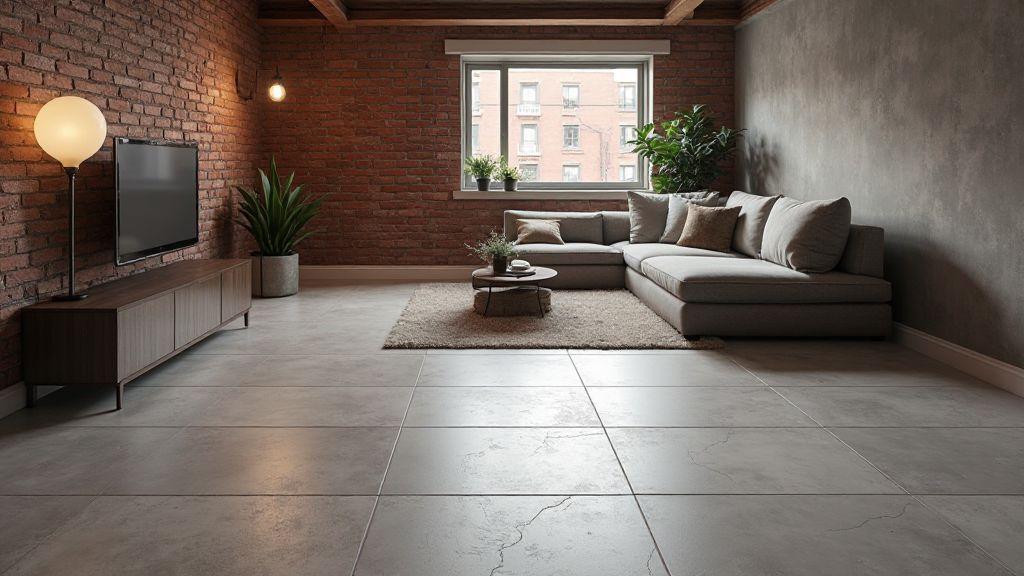
Pick a style that fits how you live. If you plan movie nights, choose dark, matte tiles that hide scuffs. If you want a bright playroom, go for light‑tone, large‑format tiles that make the space feel bigger. The right tile and grout combo keeps the room looking fresh for years — adding real value to your home.
Budget smart. You don’t need premium porcelain to get premium looks. Almeida Perfect Tile helps you match looks with cost. Good layout and proper underlayment prevent problems later, so you spend once and enjoy the space — not fix it later.
Popular patterns and colors for stylish tile designs for Philadelphia basements
Philadelphia buyers like practical style. Wood‑look planks, large‑format tiles, and simple subway layouts are favorites because they read as modern and calm. Patterns like herringbone or chevron work well in entry zones or small accent walls, but keep main floors simple to appeal to more buyers. Neutral tones — grays, warm beiges, and slate blues — play safe and sell faster.
Be bold in small doses: try a patterned tile rug under a seating area or a darker trim along stairs. That gives personality without risking resale appeal. For rentals or guest suites, stick to tones that match common furniture colors — browns, creams, and navy pair well with most decor.
| Pattern/Color | Mood it creates | Best use | Resale impact |
|---|---|---|---|
| Wood-look plank | Warm, homey | Living areas, rec rooms | High — familiar and cozy |
| Large-format gray | Clean, modern | Open basements | High — looks expansive |
| Herringbone (neutral) | Elegant, classic | Accent walls, entries | Moderate — stylish if subtle |
| Slate or blue tones | Cool, contemporary | Wet areas | Good — signals durability |
Callout: Want help picking samples? Almeida Perfect Tile will bring options to your home and show them in your light — see previous transformations in their project gallery or request a visit through their contact page.
How tile can increase home value with basement tile Philadelphia
Tile turns an unfinished basement into usable square footage that buyers count. The Benefits of Installing Tile in Philadelphia Basements include moisture resistance, low maintenance, and a finished look that supports higher asking prices. Buyers pay more for spaces that feel safe from damp and look move‑in ready.
A well‑laid tile floor projects care. That matters in Philly neighborhoods where buyers compare homes closely. Proper installation prevents future problems like cracked grout or shifting tiles. Almeida Perfect Tile focuses on prep work — drains, vapor barriers, and proper underlayment — so your investment shows immediate value and holds up over time.
Design tips to match style with resale appeal
Keep the palette neutral, choose durable tile types like porcelain or certified ceramic, and avoid extreme patterns that turn off buyers. Make transitions smooth between basement and main floor with matching tones or a slim threshold. Use good lighting and area rugs to warm tile floors so the space feels lived‑in and welcoming. Keep it practical and polished — that’s what sells.
Cost effective basement tile installation Philadelphia with Almeida Perfect Tile
If you want a durable, low‑maintenance basement floor that won’t soak your budget, Almeida Perfect Tile has the know‑how to get it right. You’ll save money long term because tile resists moisture, stains, and wear — meaning fewer repairs and lower upkeep. For Philly basements, that durability translates into real value: your finished space looks great and stays dry, whether it’s a playroom, rental unit, or home gym.
Almeida balances quality and price. They help you pick tiles that match your style and your wallet — from classic ceramic to upscale porcelain. The crew starts by checking your subfloor and moisture levels so you don’t end up with tiles that fail. That upfront care keeps unexpected costs down and gives you a stable, long‑lasting floor.
Think of tile as an investment that pays back in comfort and resale. The Benefits of Installing Tile in Philadelphia Basements include better air quality (no trapped allergens), easier cleaning, and a look that appeals to buyers if you sell later. Almeida Perfect Tile focuses on clear pricing and honest advice so you know what you’re getting before any glue or grout hits the floor.
Typical pricing factors for tile flooring for Philadelphia basements
Price depends on the big three: tile material, labor, and site prep. Tile cost varies — basic ceramic is cheap, porcelain and natural stone cost more. Labor in Philadelphia reflects the skill needed to prep a basement: moisture mitigation, leveling, or removal of old flooring often matters more than the tile itself.
Other cost items to watch are layout complexity and finishes. Herringbone patterns, large‑format tiles, or heated floors add time and materials. Grout color and sealers are small line items but matter for appearance and maintenance. Ask Almeida for a line‑by‑line quote so you see where your dollars go and where you can save.
| Factor | How it affects cost | Typical cost range (Philadelphia basements) |
|---|---|---|
| Tile material | Major driver — ceramic to stone | $2.00 – $15.00 per sq ft |
| Labor & installation | Skilled work, moisture control | $3.00 – $8.00 per sq ft |
| Subfloor prep / leveling | May require patching or membrane | $500 – $2,000 total |
| Removal of old flooring | Demo and disposal | $1.00 – $3.00 per sq ft |
| Waterproofing / underlayment | Essential for basements | $2.00 – $6.00 per sq ft |
| Grout & sealant | Finishing touches | $0.50 – $2.00 per sq ft |
What to expect during consultation and installation with Almeida Perfect Tile
When you call Almeida, expect a friendly, practical consultation. A technician will visit to measure, test for moisture, and talk through tile samples. They’ll explain cost options and show how different tiles handle basement conditions. You’ll get a clear estimate and a simple plan — no surprise fees, just straightforward steps so you can decide with confidence.
During install, the team focuses on prep first: they’ll level the floor, add a membrane if needed, and lay tile with consistent spacing. They keep the job tidy and communicate timing. Fast jobs are good, but the crew won’t rush the grout cure or skip waterproofing. That care is what keeps your floor solid for years.
Tip: Don’t skip the moisture test. A passing test now prevents cracked grout and loose tiles later. Ask Almeida to show you the results — it’s your proof the job started on the right foot.
Timeline, warranty, and contact details to confirm before you start
Confirm the timeline and warranty before work begins — typical installs take 1–4 days depending on size and prep, and grout needs time to cure. For realistic timing expectations, read their guide on how long a tile installation project takes in Philadelphia. Ask Almeida Perfect Tile what warranty covers labor and materials and how claims are handled — you can also review customer feedback on their testimonials. For clear answers or to schedule a consultation, call Almeida at (267) 338‑9798 or visit the contact page. They serve Philadelphia, PA, and will walk you through costs, timing, and the exact coverage so you start with confidence.
Conclusion
You want a basement that stays dry, looks modern, and stands up to years of use. Tile delivers that — moisture resistance, durability, and easy maintenance all in one package. It’s the kind of upgrade that pays dividends long after the grout dries.
Pick the right materials and prep the floor properly: choose porcelain or waterproof LVP, use a proper membrane and grout sealer, and you’ll avoid headaches down the road. Think of the system as an umbrella for your home’s lowest floor: when it’s done right, it keeps trouble at bay.
You don’t have to go it alone. With the right plan and installer, your basement becomes usable square footage that adds value, improves air quality, and stays simple to care for. Ready for more tips and inspiration? Explore additional resources and services at Almeida Perfect Tile.